You pop the hood, look at the coolant reservoir mark, and realize the level is lower than it was a few weeks ago. There are no bright green or orange puddles under the car, no obvious drips, and yet you keep adding coolant. That can feel a little spooky, because coolant does not just disappear.
If the level is dropping, it is going somewhere, and the sooner you figure out where, the better chance you have of avoiding serious engine damage.
Why Coolant Can Disappear Without a Puddle
Modern cooling systems are sealed, so in a perfect world, the level would stay almost the same between services. In the real world, tiny leaks, heat cycles, and pressure changes can let small amounts of coolant escape or move into places you will not see on the ground. Sometimes the system is slowly pushing coolant out as steam or vapor onto hot engine parts, where it burns off.
Other times, coolant is slipping inside the engine, into a cylinder, into the oil, or into the exhaust stream. Those leaks can be too small to leave obvious white smoke or chocolate-colored oil at first. Our technicians monitor coolant loss because it is often an early sign of a hose, gasket, or component that is just beginning to fail.
Small External Leaks That Evaporate Before You See Them
You can lose quite a bit of coolant from a tiny external leak and never see a puddle. A pinhole in a hose, a loose clamp, or a hairline crack at a plastic fitting can mist coolant onto hot metal. By the time the car is parked, and you walk around it, that coolant has already evaporated.
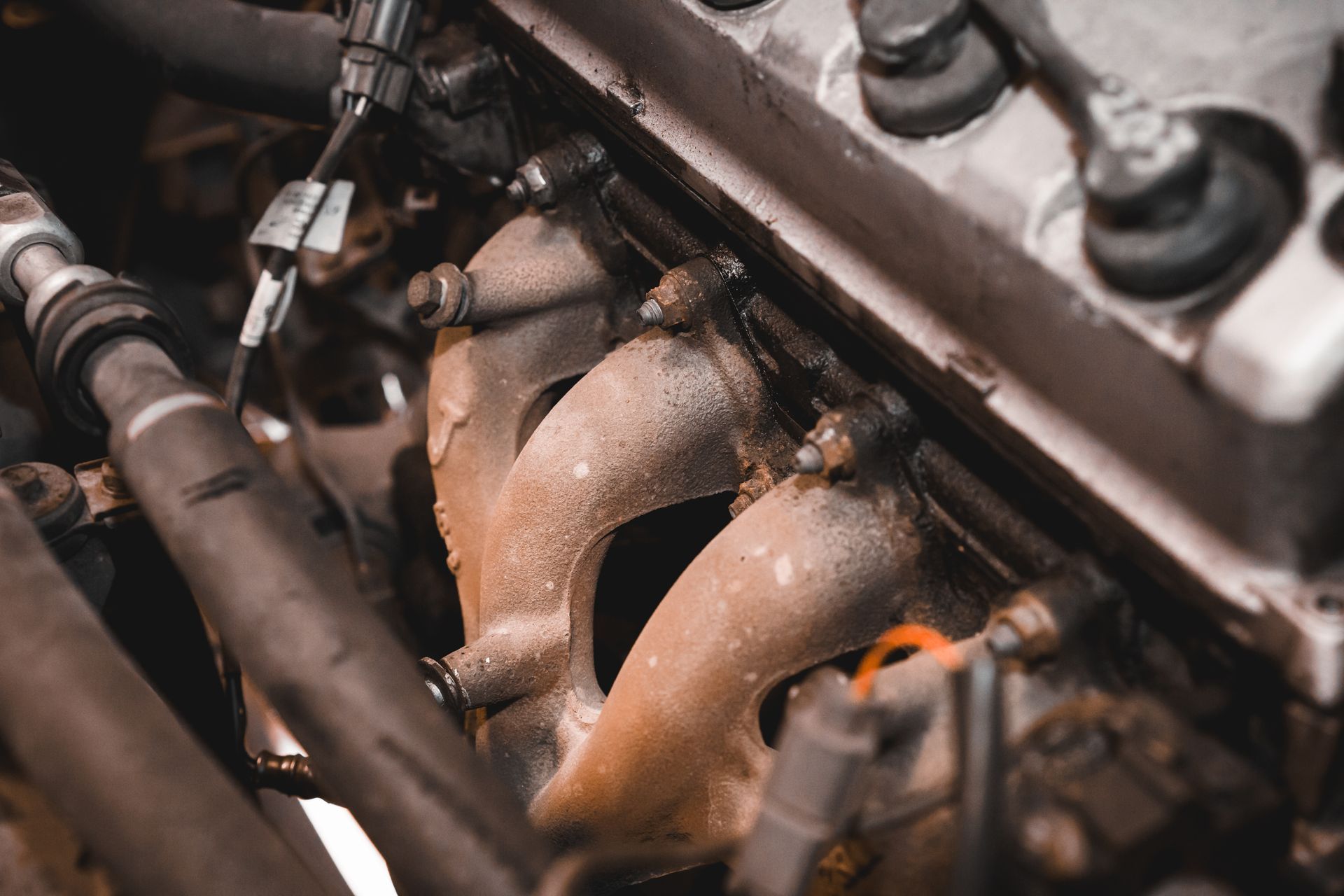
Common places for “invisible” external leaks include the radiator end tanks, hose connections, water pump weep holes, and plastic tees in heater hoses. On some vehicles, the leak sits high in the engine bay, so the coolant runs along a bracket or frame rail and drips off somewhere you would not think to check. That is why a pressure test is so useful. It lets us pressurize the system while the engine is cool and look for damp spots that would normally dry up in seconds.
Internal Coolant Leaks: When the Engine Is Drinking It
If the outside of the engine and radiator are completely dry, we start to think about internal leaks. A small head gasket leak can let coolant seep into a cylinder, where it gets burned during combustion. This may show up as a cold start misfire, a faint sweet smell in the exhaust, or slowly dropping coolant with no obvious mess.
Coolant can also move into the crankcase if a gasket or oil cooler fails. That typically leaves milky residue on the oil cap or in the oil itself, although very early on, the signs can be subtle. If you are losing coolant and notice rough cold starts, unexplained white smoke on startup, or contaminated oil, it is time to stop topping off and get things checked. Catching an internal leak early can make the difference between a gasket repair and a full engine replacement.
Heater Core Leaks and Cabin Clues
The heater core is a small radiator inside the dashboard. When it leaks, you will not see coolant on the driveway, but you may be sitting in it. Coolant can drip into the HVAC box, soak the carpet, or create vapor that fogs the inside of the windows. A sweet smell inside the cabin with the heat on is one of the classic clues.
If you feel dampness on the passenger floor, see greasy film that is hard to wipe from the inside of the glass, or notice that your defrost never quite clears the fog, a heater core or related hose may be leaking. We often see vehicles where the only visible symptom was “my coolant keeps dropping, and the windows are always foggy,” long before the owner realized the leak was inside the car.
When Coolant Loss Is (Almost) Normal
There are a few situations where a very small change in coolant level over a long period is not a crisis. Some systems burp a little trapped air out during the first weeks after a repair, which can make the level settle slightly. Temperature changes can also make the level in the reservoir move a bit between hot and cold checks.
That said, modern cooling systems are designed to hold coolant, not eat it. If you are adding coolant more than once every few months, or the level is steadily moving down between oil changes, it deserves a closer look. We would rather tell you “this is normal for your car” after an inspection than see you later with an overheated engine that never got the attention it needed.
Owner Mistakes That Make Coolant Problems Worse
A few common reactions to slow coolant loss can make things go downhill faster:
- Topping off with plain water instead of the correct coolant mix
- Mixing different coolant types just to get by for a while
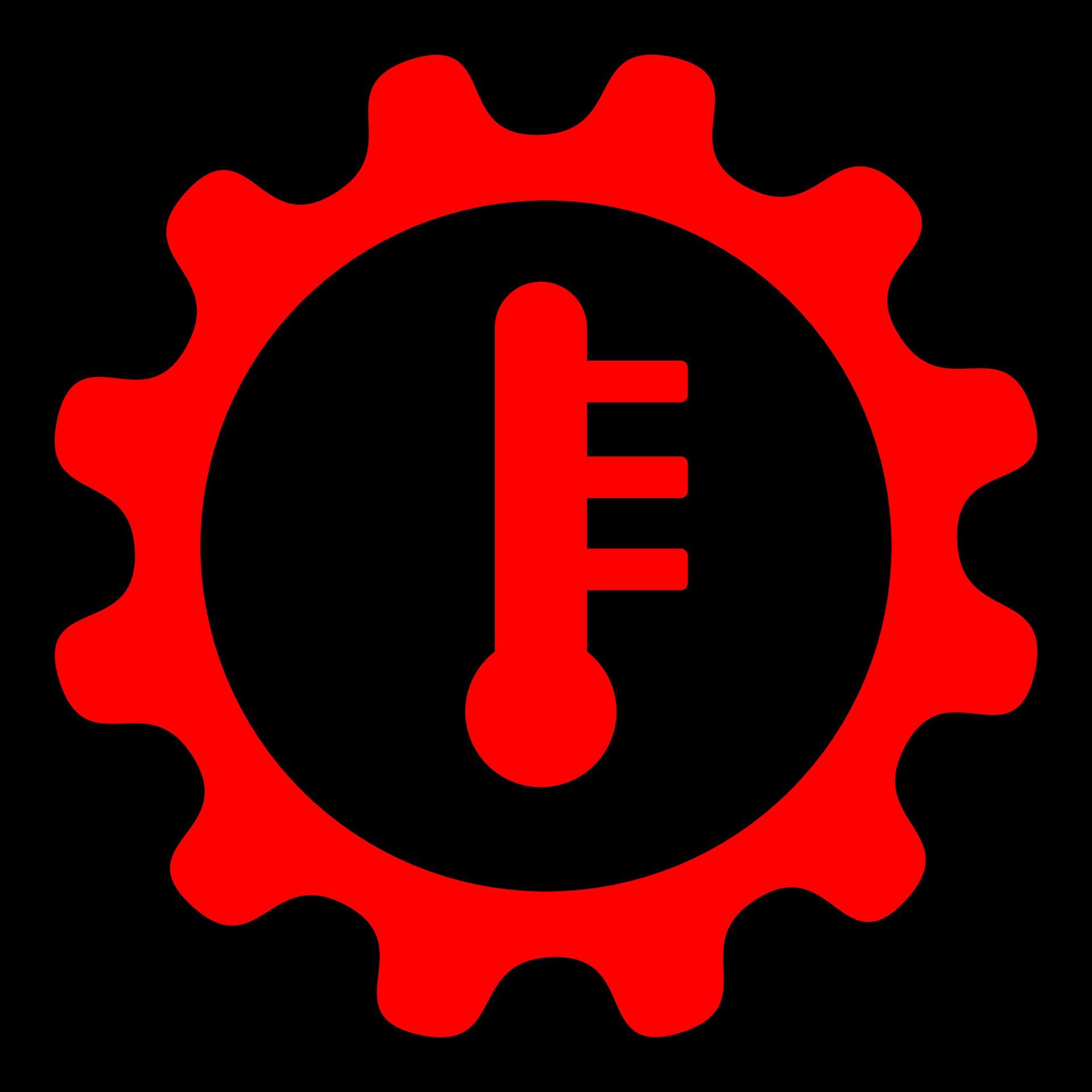
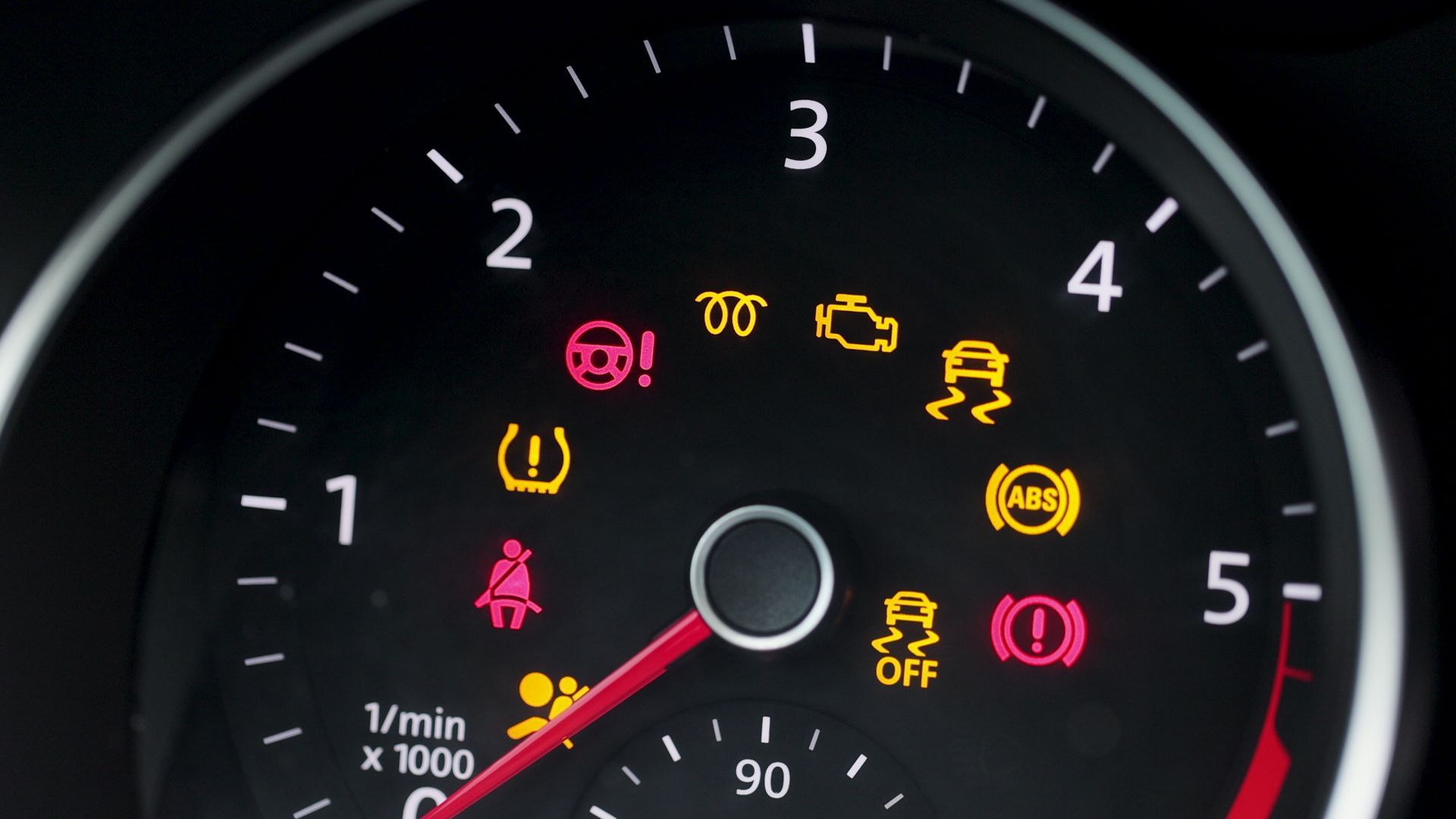
- Ignoring the temperature gauge because “it has not overheated yet”
- Repeatedly adding coolant without ever checking for leaks or pressure testing
Plain water rusts metal surfaces and raises the risk of freezing in cold weather. Randomly mixing coolants can create sludge or reduce corrosion protection. The biggest mistake, though, is treating a dropping level as “normal” instead of a warning. From what we see in the bay, the cars that come in early usually leave with smaller repairs.
What To Do When You Notice the Level Dropping
If you see the coolant line creeping down, start by making sure you are checking it correctly. Look at the reservoir when the engine is cold, parked on level ground, and compare it to the “low” and “full” marks molded into the plastic. If you have to add coolant, use the type specified in your manual, and write down how much you added and when.
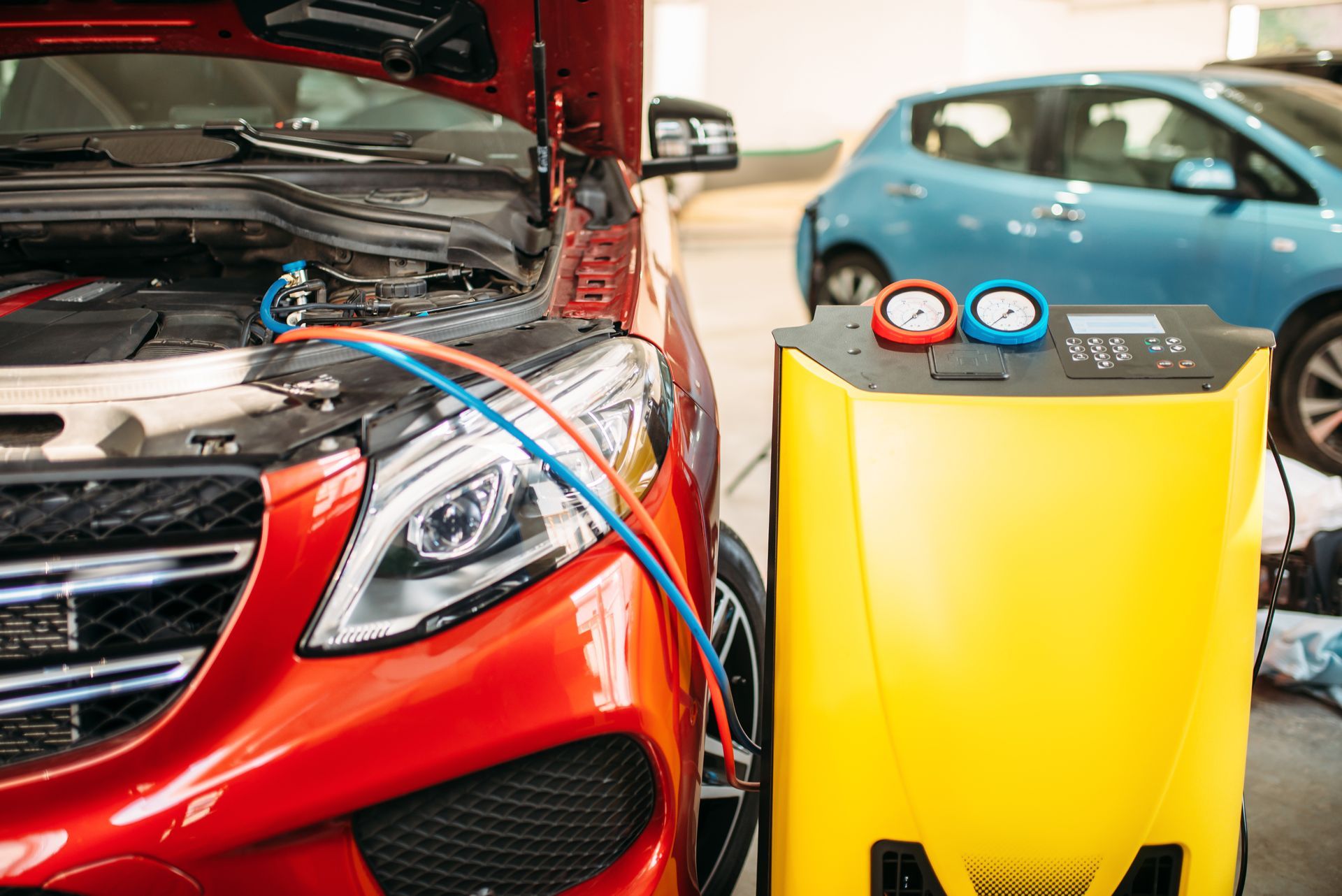
Then, rather than waiting to see how low it gets next time, schedule a cooling system inspection. We can pressure test the system, check the cap, look for stains and residue at common leak points, and test for exhaust gases in the coolant if an internal leak is suspected. That approach gives you answers instead of guesses and lets you decide on repairs before the situation turns into an overheating event.
Get Coolant System Diagnostics in Reno, NV with Greg's Garage
If your coolant level keeps dropping with no clear leak, or you have noticed sweet smells, foggy windows, or rough cold starts, this is the moment to get it checked. We can test the system, pinpoint whether the loss is external or internal, and recommend repairs that protect your engine from serious damage.
Schedule coolant system diagnostics in Reno, NV with
Greg's Garage, and we will help keep both your temperature gauge and your peace of mind in the safe zone.