Dashboard warning lights are your car’s way of saying something changed and it wants your attention. Some lights are reminders, some are caution signs, and a few are the stop-now kind. If you know the basics, you can make a smart call instead of ignoring it or panicking. Staying on top of regular maintenance helps prevent many of these issues in the first place, because low fluid levels and worn parts are common triggers.
1. Check Engine Light
This light means the computer saw something outside its normal range, which can be as small as a loose gas cap or as real as an engine misfire. If it's steady and the car feels normal, it’s usually safe to drive short-term, but you should book a service soon. If it’s flashing, reduce speed and load right away, because a flashing light often points to a misfire that can damage the catalytic converter.
2. Oil Pressure Warning Light
This is not the same as an oil change reminder. It’s a warning that oil pressure may be too low, which can cause engine damage fast. If this light comes on while driving, pull over to a safe spot, shut the engine off, and check the oil level once it cools down. If the level is fine, do not keep driving, because the issue may be a failing pump, pickup problem, or internal pressure loss.
3. Battery Or Charging System Light
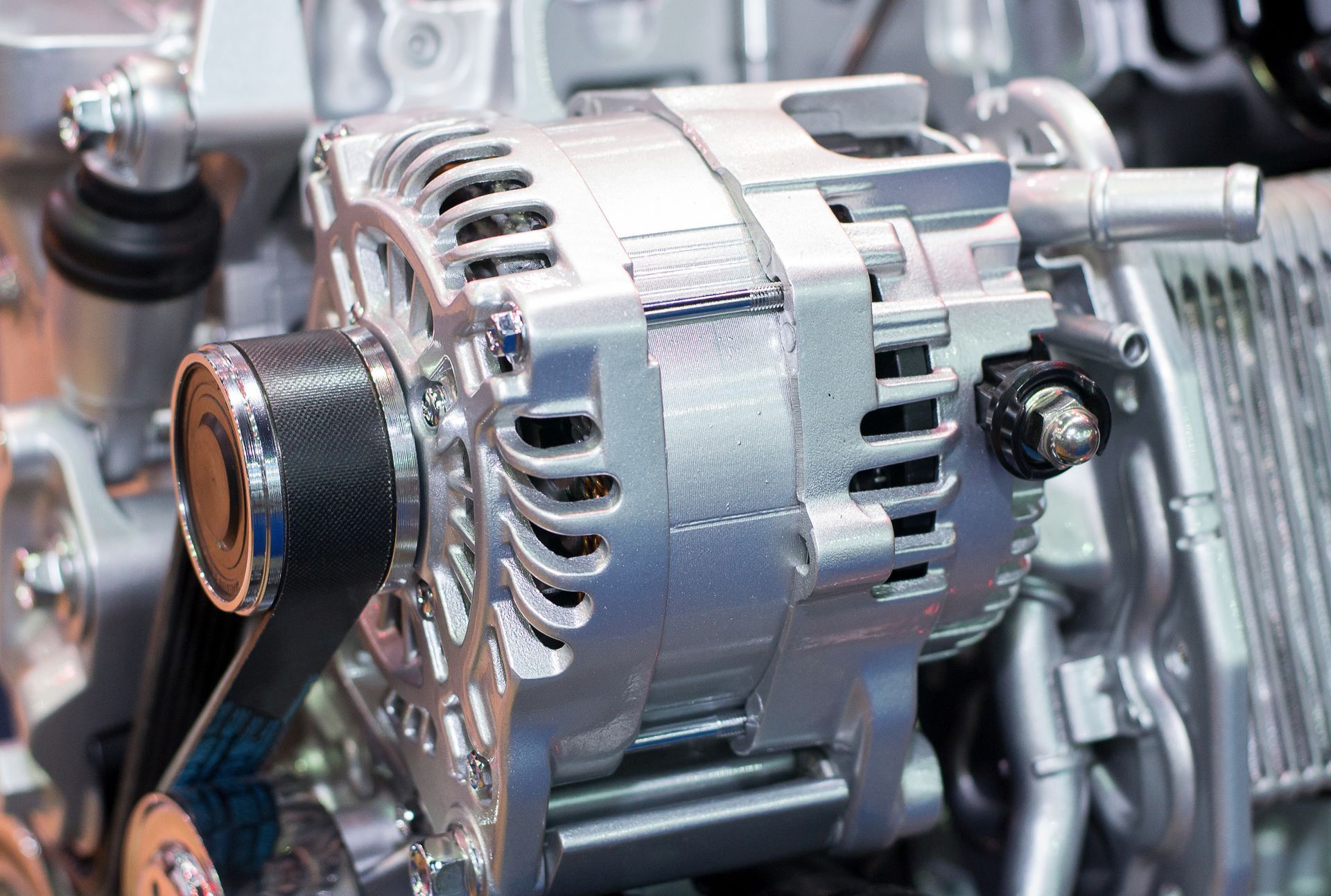
This light usually means the alternator isn’t charging the battery the way it should. You might also notice dim lights, glitches with electronics, or a weak start after a stop. We see this triggered by a failing alternator, a slipping belt, corroded connections, or a weak battery that’s dragging the system down. If it stays on, plan to get it checked quickly, because the car can eventually stall once the battery drains.
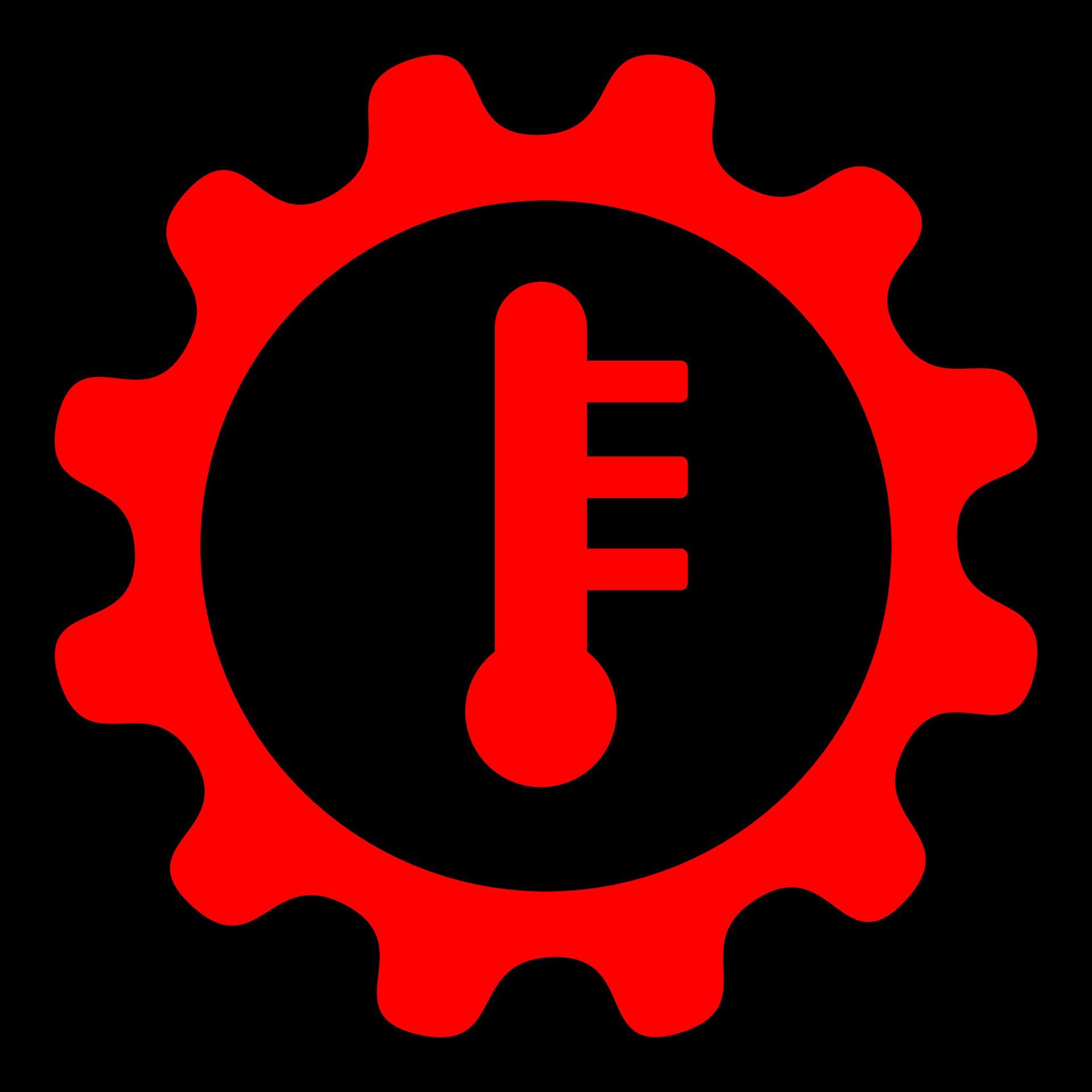
4. Engine Temperature Warning Light
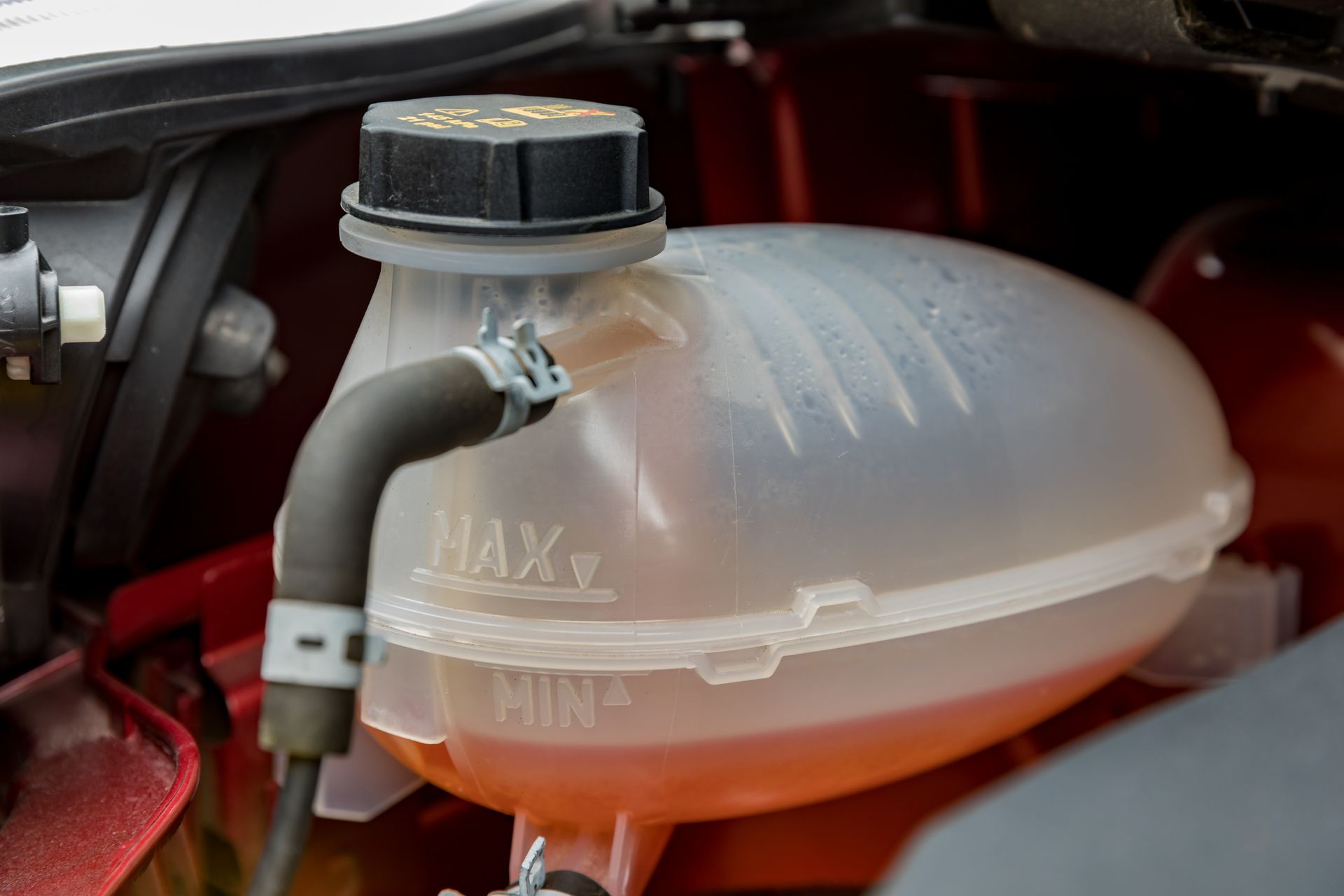
This light is telling you the engine is overheating or heading that direction. Overheating can go from mild to severe fast, so don’t try to push through it to get home. Pull over, shut the engine off, and let it cool before opening anything under the hood. Once it’s cool, low coolant is a common cause, but fans, thermostats, leaks, and water pumps can be involved too.
5. Brake System Warning Light
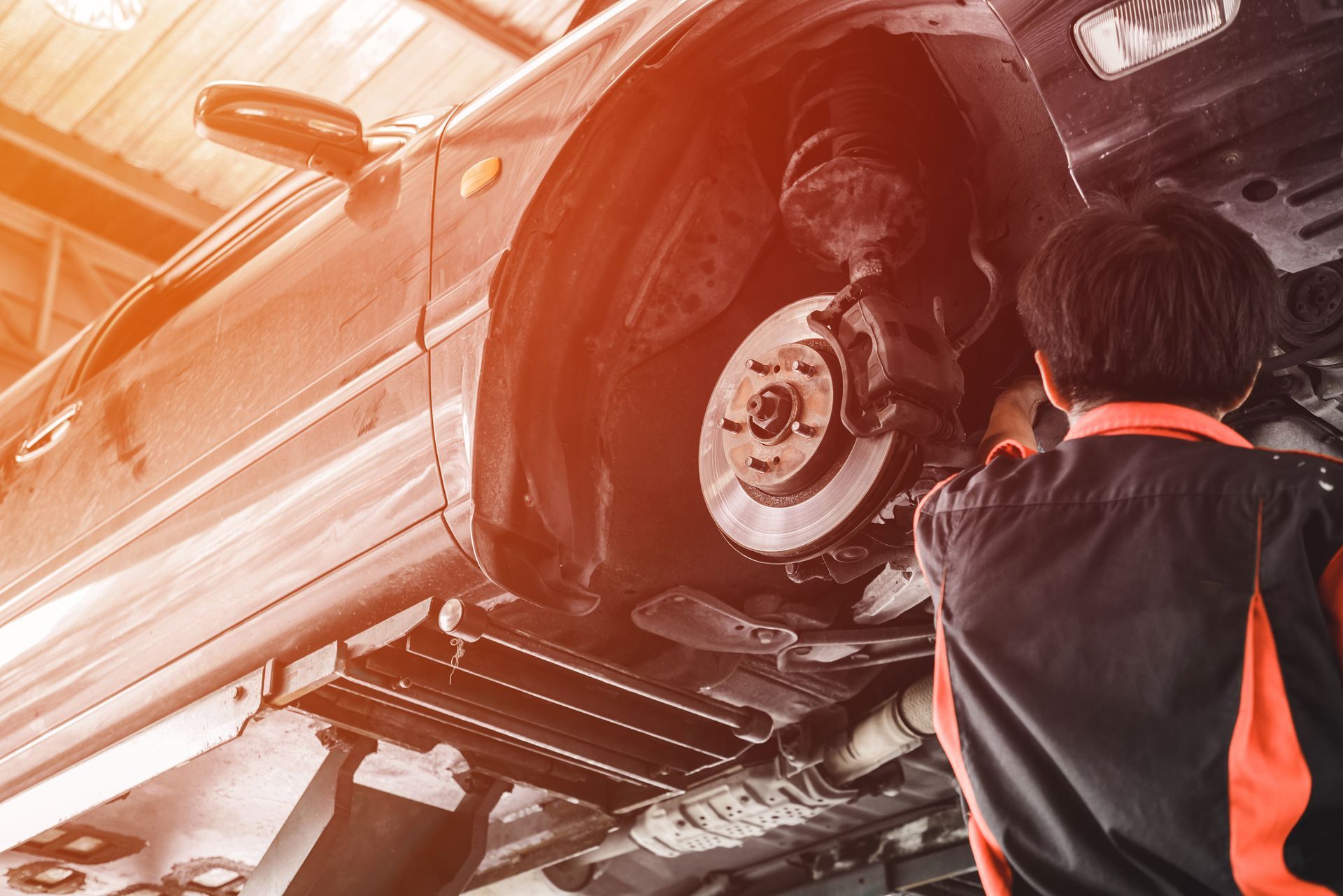
This one can mean several things, so the first step is confirming the parking brake is fully released. If it’s not the parking brake, it can indicate low brake fluid, a hydraulic issue, or a brake system fault. If the pedal suddenly feels soft, sinks farther than normal, or braking effort changes, stop driving and have it towed in. Brakes are not the place to hope it clears up on its own.
6. ABS Warning Light
ABS stands for anti-lock braking system, and this light means the ABS function may be disabled. In most cases, your normal brakes still work, but ABS may not help you in a panic stop on wet or slippery roads. Our technicians often find wheel speed sensor issues, damaged sensor wiring, or a tone ring problem as the root cause. Treat it as a safety feature that needs attention soon, not something to ignore for months.
7. Tire Pressure Warning Light
This light means one or more tires are low on air, or the system detected a pressure problem. Check pressures when the tires are cold and compare them to the door-jamb sticker, not the tire sidewall. If a tire keeps losing air, it may have a puncture or a leaking valve stem, even if it looks fine at a glance. Driving on low pressure builds heat and can ruin a tire that would have been repairable.
8. Traction Control Or Stability Control Light
If it flashes while you’re accelerating on a slick surface, it often just means the system is working. If it stays on steady, the system may be turned off, or a fault may disable traction and stability assistance. Sometimes it’s tied to the same wheel speed sensors used by ABS, so the two lights can show up together. If the car feels like it’s slipping more easily than normal, take it seriously and book service.
9. Airbag Or SRS Light
SRS is the supplemental restraint system, which includes airbags and seat belt pretensioners. If this light is on, the system may be disabled or may not deploy as designed in a crash. You won’t feel a drivability change, which is why people ignore it, but it’s still important. The fix can be as simple as a connector issue under a seat, but it should be checked promptly.
10. Power Steering Or EPS Warning Light
EPS is electric power steering, and this light means that steering assist may be reduced. You’ll usually notice heavier steering, especially at parking-lot speeds, and sometimes it comes and goes if the system is overheating or voltage is low. A weak battery/charging system can cause this, a steering motor issue, or a sensor problem in the steering system. An inspection can confirm whether it’s a power/voltage issue or a component that needs replacement.
Get Dashboard Warning Light Service In Reno, NV With Greg’s Garage
If a warning light is on, the next step is booking a service so the underlying problem is fixed correctly before it turns into a breakdown or a safety issue.
Schedule service with
Greg’s Garage in Reno, NV if you want the light addressed quickly and the car back to dependable daily driving.