A louder exhaust sound can be easy to shrug off at first. Maybe your car starts sounding a little deeper than normal. Maybe it has more of a rumble when you accelerate, or you notice it is suddenly much louder when you start it in the morning. Some drivers do not mind it right away. Others know immediately that something sounds off. Either way, it is a fair question to ask: if my exhaust is louder than usual, is it also affecting my gas mileage?
The answer is often yes, it can. Not every louder exhaust note automatically means your fuel economy will drop, but many of the problems that cause unexpected exhaust noise can also hurt efficiency. That is because your exhaust system does more than just carry fumes away from the engine. It is tied into how the engine breathes, how sensors monitor emissions, and how efficiently the whole system runs.
So if your car suddenly sounds rougher, boomier, or much louder than it used to, it is worth paying attention. The sound itself may be a clue that something in the exhaust system, engine management system, or emissions system is no longer working the way it should.
What A Loud Exhaust Rumble Can Mean
There is a big difference between a vehicle that was intentionally built or modified to sound sporty and a vehicle that suddenly gets louder because something failed. If your car used to sound normal and now has a louder rumble, roar, growl, or droning sound, we start thinking about damage, leaks, or worn-out exhaust parts.
A few common possibilities include:
- An exhaust leak
- A rusted or damaged muffler
- A failing resonator
- A cracked exhaust pipe
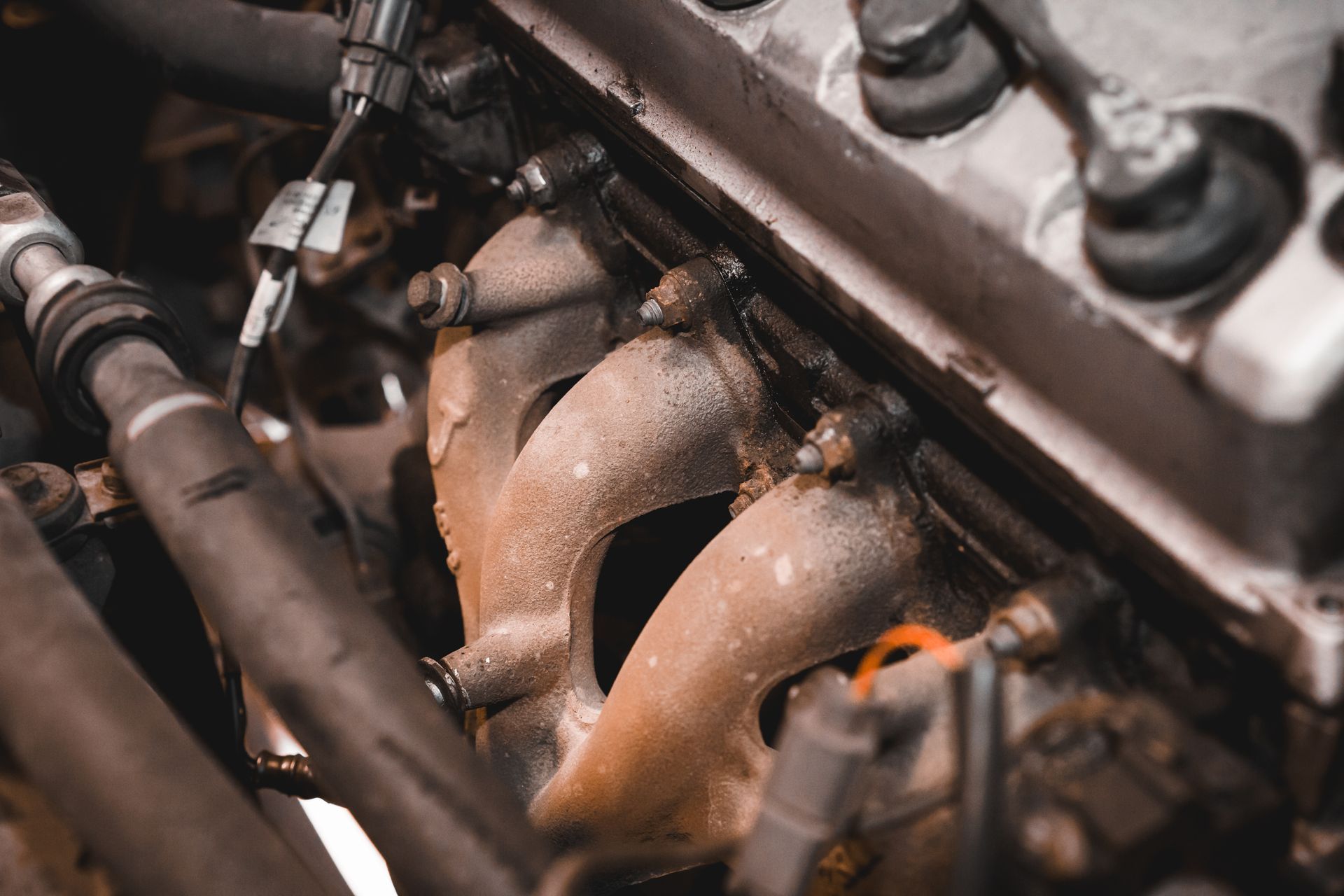
- A problem near the exhaust manifold
- A catalytic converter issue
Some of these problems create a deeper rumble. Others sound more like roaring, hissing, tapping, or harsh vibration. The exact sound depends on where the problem is and how severe it has become.
Why Exhaust Noise And Fuel Economy Can Be Connected
Your engine depends on a carefully balanced air-fuel mixture to run efficiently. The exhaust system is part of that larger picture. When exhaust gases leave the engine properly, sensors can read the system accurately and the engine computer can make the adjustments it needs to for performance and fuel economy.
When something in the exhaust system goes wrong, several things can happen:
- The engine may not run as efficiently
- Oxygen sensor readings may be affected
- The engine computer may compensate in ways that use more fuel
- Exhaust flow may be disrupted
- You may unconsciously drive differently because the vehicle sounds rougher
So yes, a loud exhaust problem can absolutely contribute to reduced gas mileage, especially if the issue involves leaks, sensor disruption, or emissions system trouble.
Exhaust Leaks Are One Of The Biggest Culprits
One of the most common reasons a car suddenly sounds louder is an exhaust leak. These leaks can happen at the exhaust manifold, flex pipe, joints, gaskets, or further back in the system. Rust is a common cause, but impact damage and age also play a role.
Exhaust leaks matter for fuel economy because they can interfere with oxygen sensor readings, especially if the leak is closer to the engine. When that happens, the engine control system may not get a clean picture of what is going on, and it may adjust fueling in a way that is less efficient.
A few signs that an exhaust leak may be the issue:
- Louder exhaust, especially during acceleration
- Ticking or tapping noise when the engine is cold
- A rougher or harsher exhaust tone
- Lower fuel economy
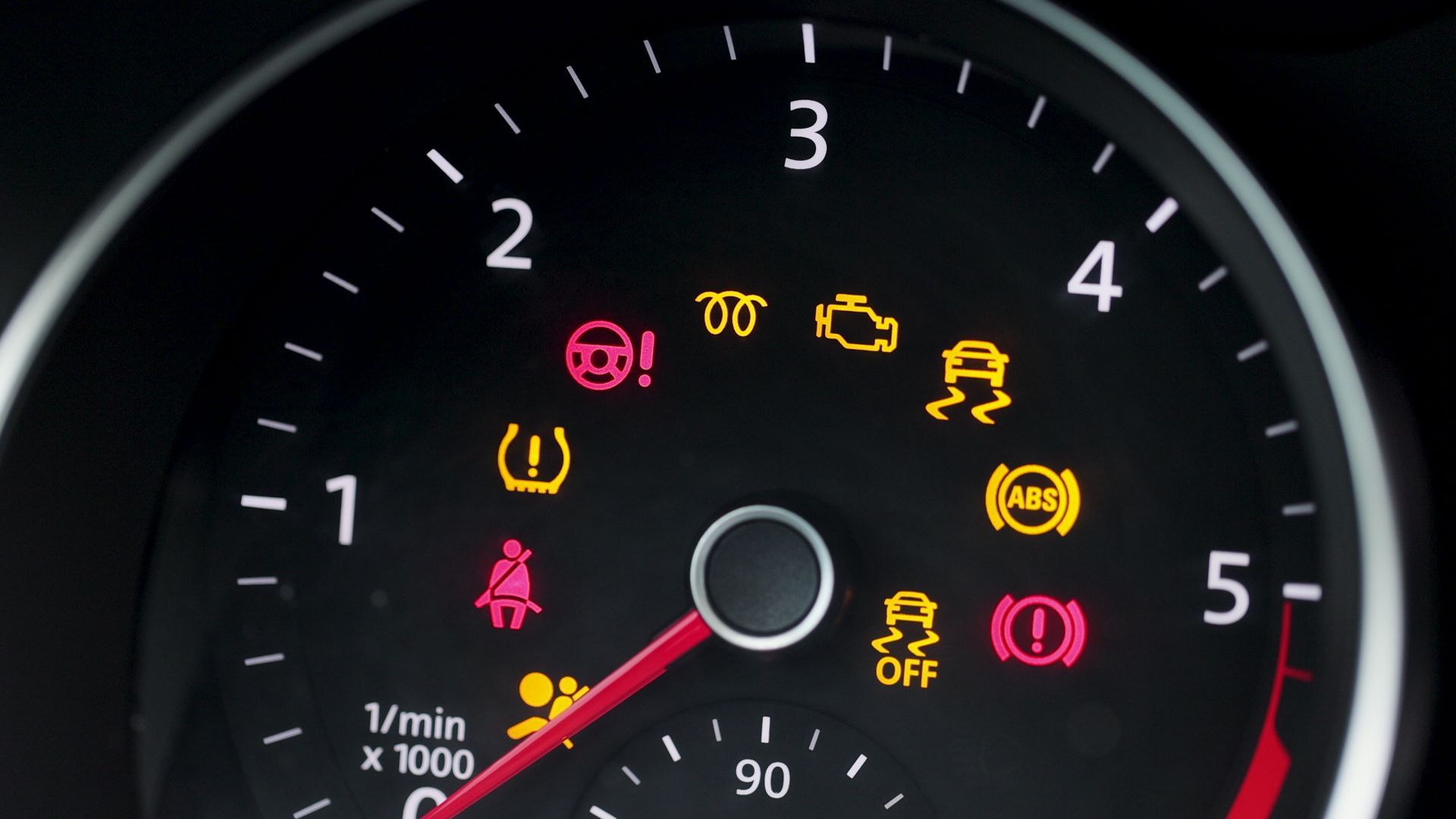
- Possible check engine light
Not every leak will cause a dramatic mileage drop, but plenty of them do, especially when they affect how the engine is being monitored.
A Damaged Muffler Can Make Your Car Sound Much Louder
If the muffler is rusted through, cracked, or coming apart internally, your car may develop a deeper or harsher rumble. Mufflers are designed to reduce noise, so when they fail, the change is often obvious.
A bad muffler by itself is more of a noise-control problem than a direct fuel-economy problem, but it still matters. In some cases, a damaged muffler comes with other exhaust deterioration nearby. Also, if the damage changes backpressure or is part of a larger exhaust issue, your efficiency may take a hit too.
This is one reason we do not like to judge fuel economy impact based on the muffler alone. We want to inspect the whole system, because what sounds like “just a loud muffler” may be part of a bigger issue.
Catalytic Converter Problems Can Hurt Both Noise And Mileage
A failing catalytic converter can change the way a vehicle sounds, especially if it is breaking apart internally or if exhaust flow is becoming restricted. Sometimes this creates rattling. Other times, it changes the tone of the exhaust and makes the vehicle feel sluggish.
Catalytic converter problems can also absolutely affect fuel economy. If exhaust flow is restricted, the engine has to work harder. If the converter is not functioning properly, it may trigger check engine lights and emissions-related issues that affect performance and fuel use.
Some warning signs include:
- Loud or strange exhaust sound
- Rattling underneath the car
- Rotten egg smell
- Loss of power
- Poor acceleration
- Reduced gas mileage
This is not the kind of issue to ignore for long, because converter problems can get expensive and may lead to additional drivability concerns.
Exhaust Manifold Leaks Often Sound Different
If the noise is coming from the front of the vehicle, especially under the hood, the problem may be closer to the exhaust manifold or manifold gasket. These leaks often sound more like ticking, puffing, or tapping than a classic deep rumble, but drivers sometimes describe all of it simply as “louder exhaust.”
Leaks in this area are especially important because they happen before other exhaust components and sensors farther downstream. That can affect engine performance, sensor accuracy, and fuel mixture more directly.
If your car sounds louder near the engine bay and you have also noticed a drop in gas mileage, this area deserves attention.
Sometimes The Sound Is Not Exhaust At All
Here is something else worth mentioning: not every loud rumble is actually coming from the exhaust system. We have had customers come in convinced they had an exhaust issue when the sound was really related to wheel bearings, tire noise, engine problems, or even underbody panels vibrating.
That matters because some non-exhaust issues can also affect fuel economy in their own ways. So while the loud sound and mileage drop may seem connected, the real cause may turn out to be something else entirely.
That is one more reason diagnosis matters more than assumptions.
How To Tell If Your Louder Exhaust Is A Problem
A few useful questions can help you figure out whether the sound is just a change in tone or an actual repair issue:
- Did the sound appear suddenly?
- Is the car louder during startup or acceleration?
- Has your gas mileage dropped recently?
- Is there a check engine light on?
- Do you smell exhaust more than usual?
- Does the vehicle feel slower or rougher?
If the answer to several of those is yes, it is probably not just your imagination. Something has likely changed, and it is worth having inspected.
Why Drivers Sometimes Notice Fuel Economy Drop Later
One reason people do not always connect loud exhaust with gas mileage right away is that the mileage change can be gradual. The sound grabs your attention first. Then, over the next couple of weeks, you start noticing that the tank is not lasting as long or that you are filling up more often than usual.
That pattern is common. The sound is the first clue, but the efficiency loss follows as the engine management system keeps adapting to a problem that is not going away.
Catch It Early
A loud exhaust rumble is not always a disaster, but it is rarely something we recommend ignoring. The earlier we find the cause, the more likely it is to be a smaller repair instead of a larger exhaust system or emissions system headache.
If your car has gotten louder and you think your gas mileage may be slipping, bring it to Greg's Garage in Reno, NV. We can inspect the exhaust system, diagnose what the sound means, and help restore both quieter operation and better efficiency.