When your vehicle refuses to start on a busy morning, the first reaction for almost every driver is to blame the car battery. You grab a set of jumper cables, find a helpful neighbor, and hope a quick boost of electricity will solve the issue. While the battery is a crucial piece of the puzzle, it often gets blamed for a crime it did not commit. In many cases, the true culprit behind electrical drama is a component hiding just a few inches away: the alternator.
At our repair shop, we diagnose a lot of charging system issues, and we notice that the alternator is one of the least understood parts under the hood. People know it has something to do with electricity, but its exact role is often a mystery. Because modern vehicles are essentially computers on wheels, a struggling alternator can cause a bizarre chain reaction of glitches that leave you scratching your head. Let us lift the hood and look at what this vital component actually does, how it works in tandem with your battery, and the classic warning signs that tell you it is time to visit the shop.
The Powerhouse Generator Under Your Hood
To understand why your car behaves so strangely when an alternator fails, you need to understand its true job. A lot of people think the car battery powers the headlights, the radio, the air conditioning, and the dashboard screens the entire time you are driving.
The battery actually only has one primary job: providing a massive, sudden burst of electrical juice to turn over the starter motor and bring the engine to life. Once the engine is actively running, the battery steps into the background and goes into standby mode.
At that exact moment, the alternator takes over the entire workload. The alternator is essentially a mini generator. It is bolted to the engine and driven by a rubber serpentine belt. As the engine spins, it turns a rotor inside the alternator, creating an electromagnetic field that generates a continuous stream of alternating current electricity. This power is then converted to direct current to keep every single electronic device in your car running smoothly, while simultaneously sending a fresh charge back into the battery so it is ready for the next startup.
The Classic Red Flags of a Dying Alternator
Alternators are incredibly durable, but they are mechanical items containing spinning bearings, internal copper wiring, and electronic voltage regulators that will eventually wear out over time. Fortunately, they rarely quit without giving you a few warnings first.
Flickering or Dimming Lights: Because the alternator regulates the flow of electricity, a drop in power output will show up in your lights. You might notice your dashboard screens dim when you stop at a red light, or your headlights might flicker and get brighter when you step on the gas pedal to accelerate.
A Slowly Dying Battery: If you jump-start your car and it runs for a minute but instantly dies the moment you disconnect the jumper cables, your alternator is failing to generate electricity to keep the engine ignition system alive. The vehicle was running purely on the temporary juice from the other car.
Strange Growling or Whining Noises: The alternator relies on precision internal bearings to spin thousands of times per minute. If you hear a distinct mechanical whining, growling, or buzzing sound coming from the front of your engine bay, those bearings are drying out and preparing to seize up entirely.
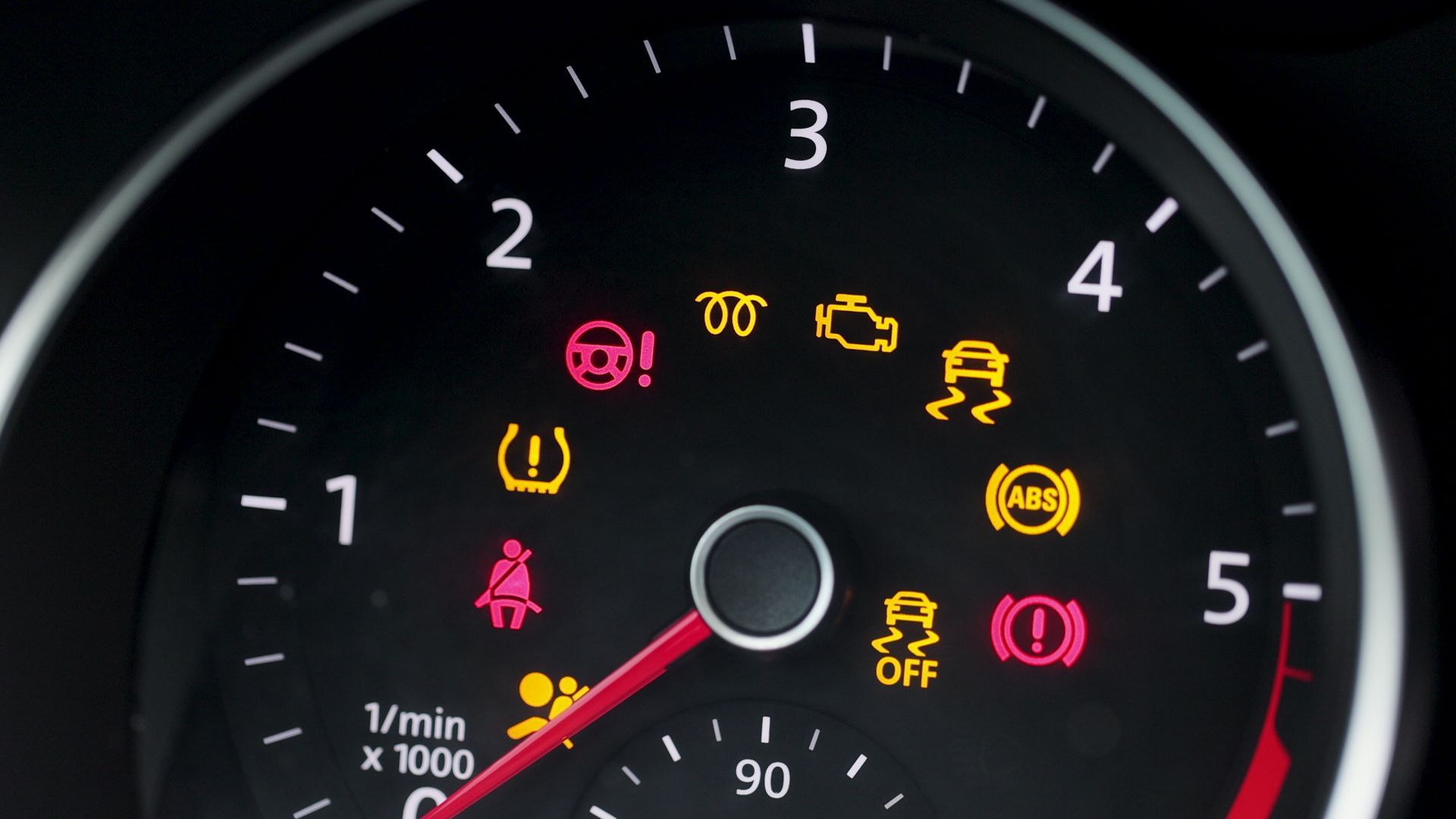
Electrical Ghosts in the System: Modern vehicles are programmed to prioritize safety features when power runs low. If your alternator is weak, your car might suddenly disable the radio, turn off the seat heaters, or flash random traction control and ABS warnings on the dash as it desperately tries to keep power flowing to the engine computer.
The Battery Light Is Not a Battery Warning
One of the most common misconceptions we encounter in the service bay involves the little red dashboard light that looks like a car battery. When that light pops up on the screen, drivers automatically head to an auto parts store to buy a brand-new battery.
That icon is actually a warning for the entire charging system, not just the battery casing. It triggers when the vehicle's computer detects that the system voltage has dropped below a specific threshold, meaning the alternator is no longer producing enough electricity to support the car. Replacing a perfectly good battery will not solve the issue, as the new battery will quickly drain completely flat within a few miles of driving without a working alternator to replenish it.
Let Our Team Test Your Charging System
Dealing with electrical problems can be incredibly frustrating, but you do not have to guess which part is failing. Trying to diagnose a weak charging system without specialized tools usually leads to wasting money on unnecessary parts.
Do not wait until you are stranded in a dark parking lot with a completely dead vehicle. If you notice your lights flickering or see that red charging system light pop up on your dashboard, visit the friendly team at Greg's Garage in Reno, NV.
Give us a call or stop into the shop today to schedule an inspection.