A transmission creates heat every time it transfers engine power to the wheels. Under normal conditions, fluid carries that heat away, while cooler surrounding airflow helps keep temperatures controlled. When the system cannot remove heat fast enough, fluid temperature rises, and the transmission begins operating outside its safe range.
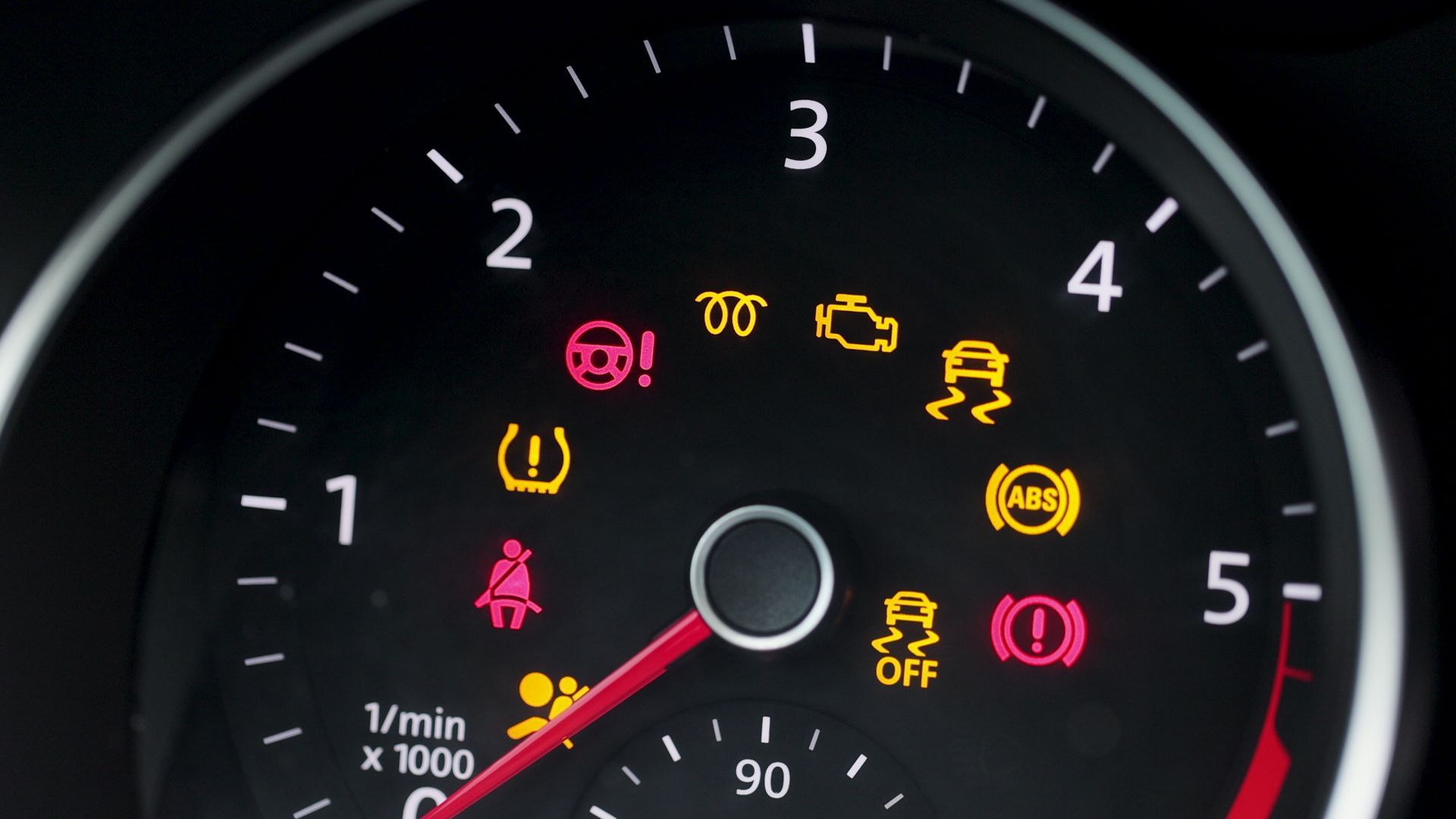
Overheating may first appear as a warning message, a burnt smell, delayed shifting, or reduced performance. In some vehicles, the computer limits power or holds the transmission in one gear to prevent further damage. Finding the reason quickly can protect internal clutches, seals, bearings, and electronic components.
Low Transmission Fluid Reduces Cooling And Pressure
Transmission fluid lubricates moving parts, creates hydraulic pressure, and carries heat toward the cooler. If the level drops, there is less fluid available to perform those jobs. The pump may also draw air, which creates unstable pressure and reduces lubrication inside the transmission.
Fluid usually becomes low because of a leak. Common sources include the pan gasket, cooler lines, axle seals, output shaft seals, fittings, and electrical connector sleeves. Adding fluid may temporarily restore the level, but the leak still needs to be found and repaired before the transmission loses more fluid.
Old Or Incorrect Fluid Can Hold Too Much Heat
Transmission fluid changes as it is exposed to high temperatures and normal internal wear. Its additives break down, and it becomes less effective at controlling friction and carrying heat. Dark color or a burnt odor may indicate that the fluid has been overheated or left in service for too long.
Using the wrong fluid can also affect pressure, clutch operation, and temperature. Modern transmissions are designed around specific friction characteristics and additives. A fluid that looks similar may still cause shuddering, harsh shifts, slipping, or overheating. Service should always follow the correct specification and procedure for the vehicle.
A Restricted Cooler Cannot Release Heat
Many automatic transmissions send fluid through a cooler inside the radiator or through a separate cooler mounted near the front of the vehicle. Airflow across that cooler removes heat before the fluid returns to the transmission. Bent fins, road debris, internal restrictions, or damaged lines can reduce cooling ability.
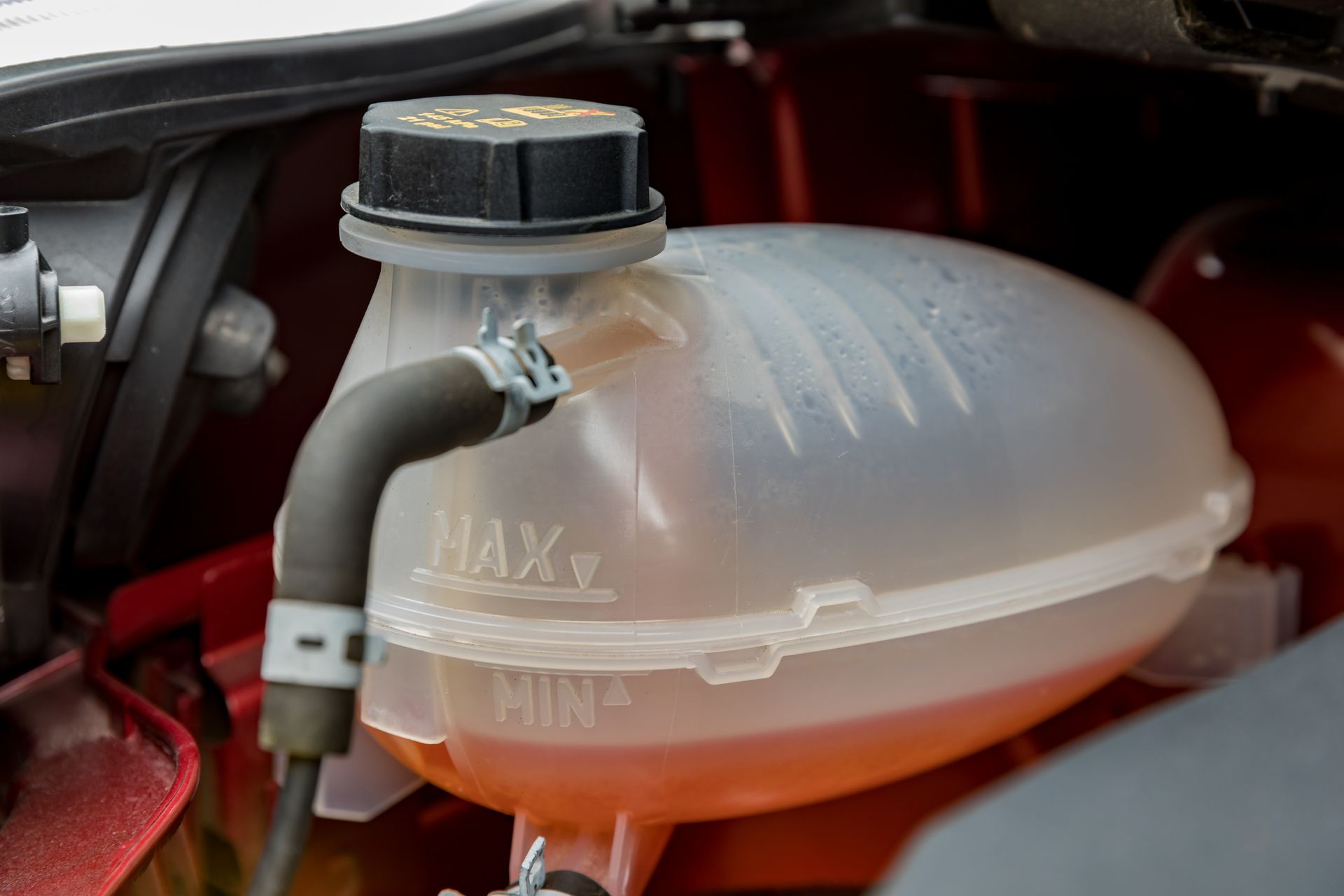
A problem with the engine cooling system can also raise transmission temperature. If the radiator is partially blocked, the cooling fans are weak, or the engine is running hot, the transmission cooler may not receive the temperature difference it needs. Both cooling systems should be considered during an inspection.
Towing And Heavy Loads Increase Transmission Temperature
Pulling a trailer, carrying heavy cargo, climbing grades, and driving through deep sand all require the transmission to handle more torque. The torque converter may slip more during low-speed operation, creating additional heat. Hot weather and high elevation can make the workload even harder.
A truck or SUV may need an auxiliary transmission cooler if it regularly operates under heavy load. Proper tire pressure, correct gearing, trailer weight, and driving technique also affect temperature. Frequent overheating while towing is a warning that the current setup or transmission condition needs attention.
Stop-And-Go Driving Can Build Heat Quickly
Heavy traffic keeps the vehicle moving slowly while reducing natural airflow through the grille. The transmission shifts often, and the torque converter may spend more time generating heat at low speed. If the cooling fans or cooler are already weak, temperature can climb during a long period of idling and crawling.
The problem may not appear during steady highway driving because airflow improves and the transmission remains in a higher gear. A warning that occurs mainly in traffic can point to cooling fan operation, fluid condition, cooler performance, or an internal problem that worsens when the vehicle is hot.
Internal Slipping Creates Excessive Friction
Clutches and bands inside an automatic transmission apply to hold specific gears. If they are worn or hydraulic pressure is too low, they can slip instead of locking firmly. That slipping converts engine power into heat rather than forward movement.
Signs of internal slipping can include:
- Engine RPM rises without a matching increase in speed
- A shift takes longer than expected
- The transmission flares between gears
- The vehicle struggles while climbing
- A burnt smell appears after driving
- Fluid becomes dark soon after service
Continuing to drive with severe slipping can damage additional internal parts. Cooling the fluid does not repair worn clutches or a pressure problem, so the source of the slip must be diagnosed.
Faulty Solenoids And Sensors Can Affect Temperature
Modern transmissions use solenoids to control fluid flow and clutch application. A sticking solenoid, worn valve body, faulty pressure sensor, or incorrect temperature signal can cause poor shifts and unnecessary heat. Electrical faults may also prevent the computer from commanding the correct gear or converter lockup.
The check engine light may be the only warning at first. Scan data can show commanded gear, fluid temperature, slip speed, pressure information, and stored transmission codes. These readings help separate an electronic control concern from mechanical wear inside the unit.
What To Do If The Transmission Overheats
If a transmission temperature warning appears, reduce the load and pull over somewhere safe. Follow the owner’s manual instructions and allow the vehicle to cool. Do not continue towing, climbing, or accelerating hard while the warning remains active.
Stop driving if the transmission slips badly, will not engage, leaks fluid rapidly, or produces smoke or a strong burnt odor. Regular maintenance can reduce the risk of overheating, but any warning should be tested before the vehicle returns to demanding use.
Get Transmission Overheating Diagnostics In Reno, NV, With Greg's Garage
If your transmission displays a temperature warning, shifts poorly, smells burnt, or overheats during traffic or towing, Greg's Garage in Reno, NV, can check the fluid, cooler, lines, fans, controls, and internal operation.