The smell arrives just after you park. There's no large puddle, but something under the hood smells hot, and the belt has started chirping on the first turn out of the driveway. An oil leak near the top of the engine can leave very little on the ground while making a mess of the parts below it.
Where the oil lands changes the repair. A damp cover gasket, a soaked drive belt, and oil smoking against the exhaust need different attention. Finding the leak is only the beginning when nearby components have already been exposed.
Oil Can Damage a Belt Before It Breaks
A serpentine belt relies on firm, precisely shaped ribs to grip the pulleys. Engine oil can soften or swell the material in a conventional accessory belt. The surface becomes sticky, the ribs deteriorate, and the belt can lose grip even though it still looks like one continuous piece from above.
A squeal after an oil leak isn't proof the belt needs more tension. Adding belt dressing or spraying cleaner onto a soaked belt won't restore damaged material. Once contamination has affected the rubber, replacement is the sensible approach. You must also repair the leak source, or the replacement belt will get the same oil bath.
The Pulleys Need Attention Along With the Belt
Oil spreads as the belt moves, coating pulley grooves and collecting dust into a greasy paste. We look at the entire belt path, including the tensioner and idlers, rather than stopping at the wettest section. A pulley sitting out of line or a tensioner that no longer controls movement can compound the problem.
Contamination doesn't automatically mean every pulley needs replacement. Accessible grooves can be cleaned appropriately, while bearings and tensioner operation are checked separately. A rough bearing, damaged rubber damper, or weak tensioner calls for its own repair. Cleaning is done with the engine off, never by holding a rag against a moving belt.
Losing the Belt Can Disable Several Systems
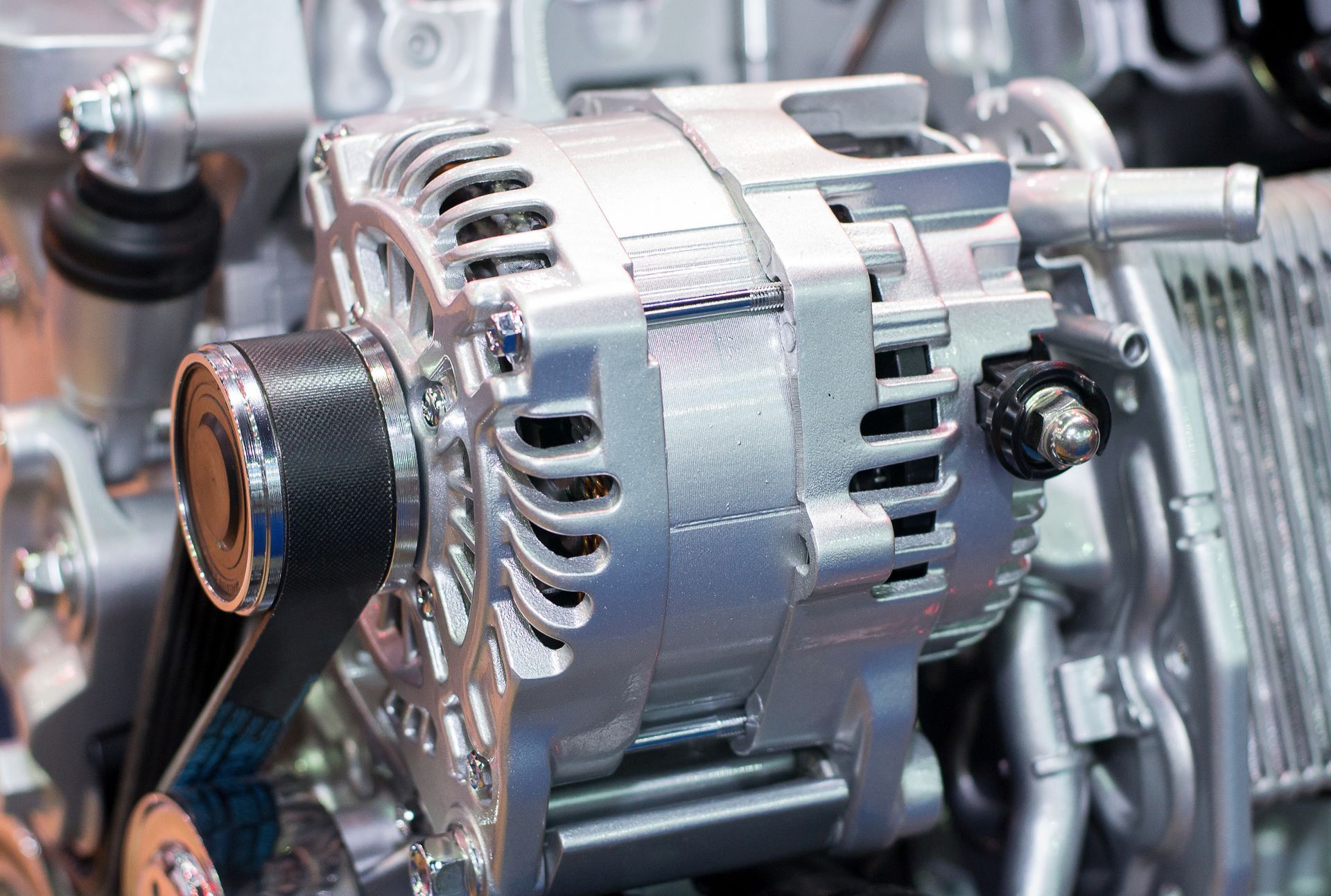
The effect of a failed serpentine belt depends on which accessories it drives. The alternator is a common one. Some engines also depend on that belt for the water pump or hydraulic power steering pump. Other designs use electric pumps or a separate drive, so the consequences aren't identical on every car.
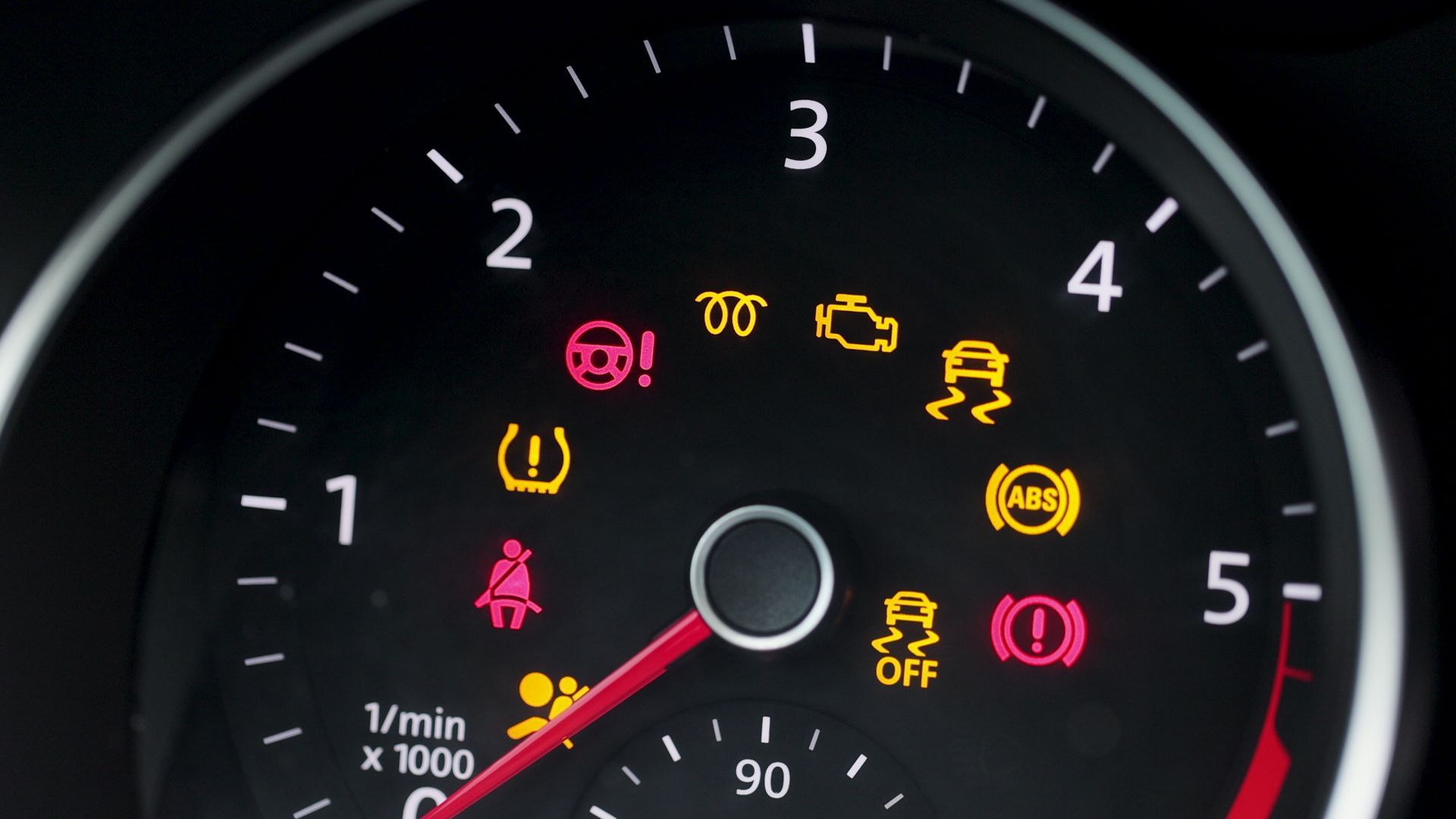
A battery warning accompanied by rising temperature or suddenly heavy steering needs an immediate safe stop. Don't assume the vehicle can finish the trip because the engine hasn't stalled. Even without those warnings, a belt with missing ribs, fraying edges, or visible misalignment should be evaluated before it comes off a pulley.
Oil on the Exhaust Creates a Different Concern
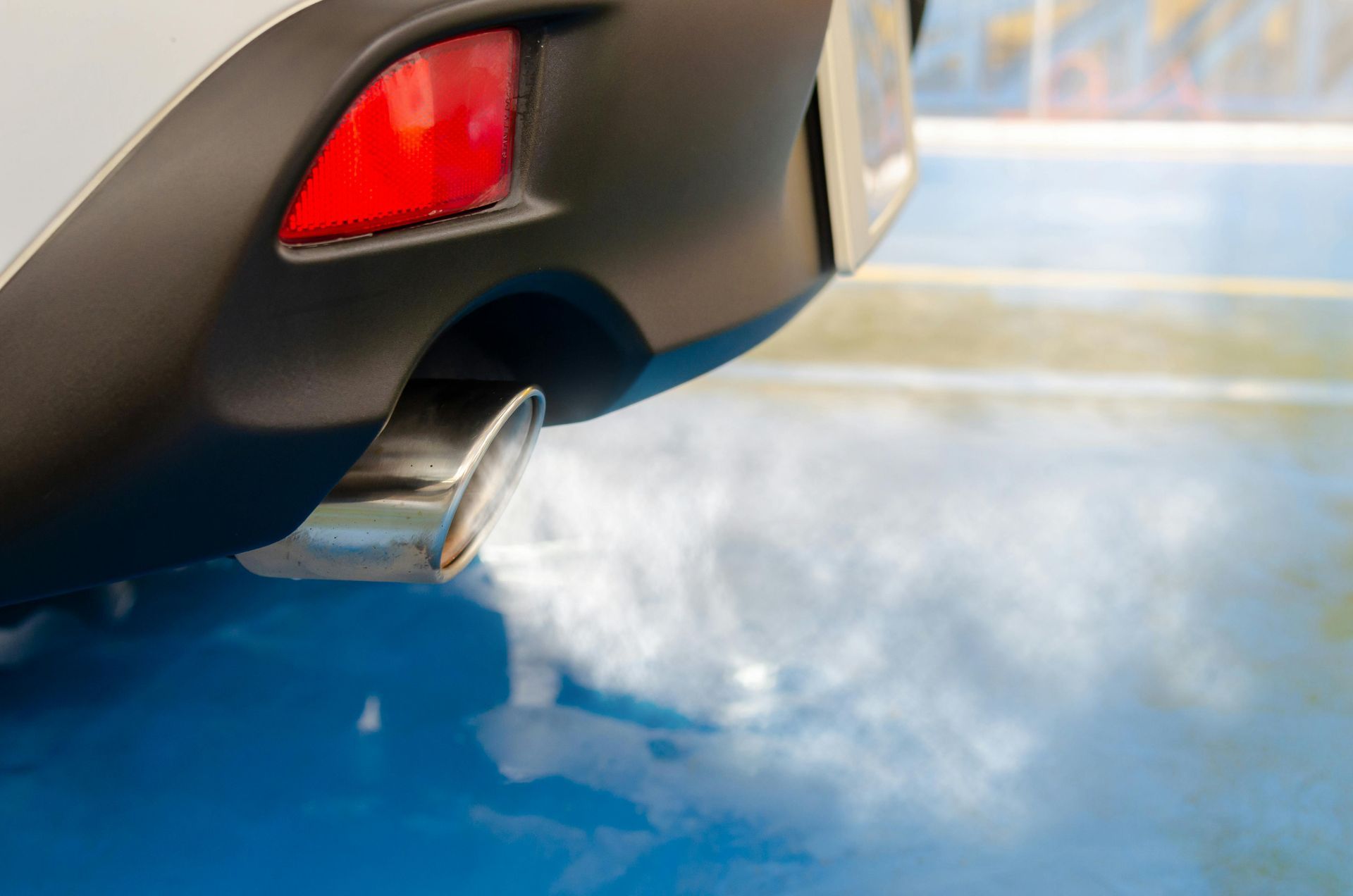
The exhaust manifold and nearby exhaust components become hot enough to make leaking oil smoke and, under some conditions, ignite. The smell can enter through the ventilation intake before the driver sees smoke. A small leak onto a hot surface therefore deserves more attention than its size might suggest.
If smoke persists or grows, stop somewhere safe and shut off the engine. If you see flames, everyone should move away and call emergency services; opening the hood can feed the fire. Don't keep driving with smoke under the hood to see whether it clears, and don't pour water onto hot engine components.
A Recent Spill Isn't the Same as an Active Leak
Oil spilled during a recent service can remain in recesses or on a heat shield. That residue needs cleaning, but it doesn't necessarily mean a gasket has failed. An active leak keeps making a cleaned area wet again, particularly after the engine runs and oil circulates under pressure.
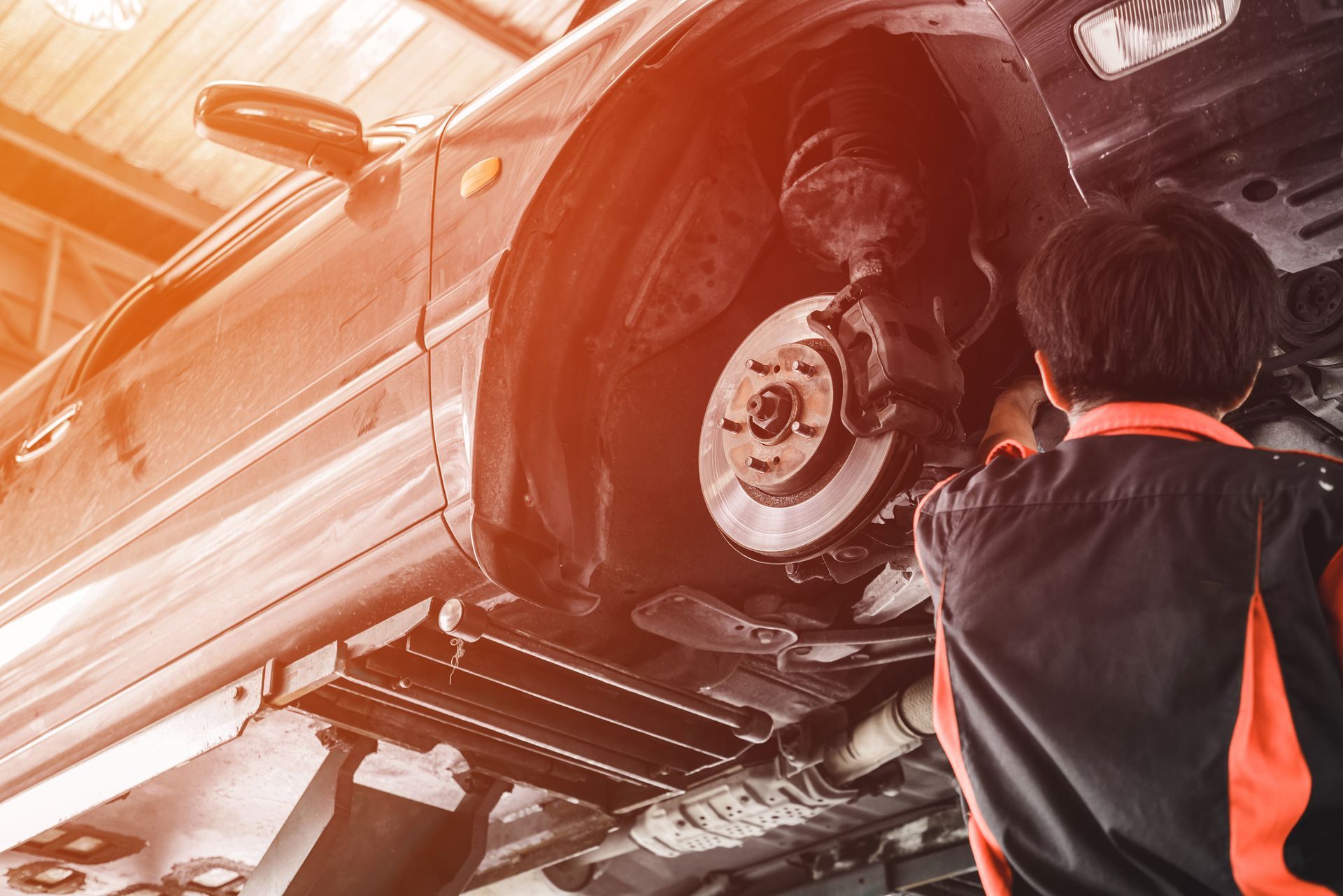
During an inspection, the highest fresh trace helps distinguish a valve cover leak from an oil filter housing or another source. Oil can travel along a bracket before dripping, so the stain beneath the car is a poor guide on its own. Undertrays also hide runoff and can hold it against nearby parts.
The Repair Should Leave the Area Clean Enough to Recheck
After fixing the leak, clean affected surfaces safely so you can identify fresh seepage. A heat shield holding oil or an undertray full of residue can continue producing odor after the original gasket has been repaired. The belt then needs the correct routing and alignment checked before the vehicle returns to use.
We also compare the oil level with the owner's recent top-offs. A leak that has reached the belt can be more substantial than the driveway suggests. Checking for seepage during regular maintenance helps catch the exposure early, but new belt noise or a burning smell deserves a separate look between services.
Get Engine Oil Leak Repair In Reno, NV, With Greg's Garage
Greg's Garage in Reno, NV, can trace an oil leak and check the belt drive and exhaust surfaces it has reached. The repair plan should address both the source and any affected parts.
Contact us to arrange an oil leak check and describe any smoke, odor, or belt noise you've noticed.