Every vehicle comes with a maintenance schedule built around mileage, time, or both. Those intervals aren't just there to remind you about oil changes. They cover the fluids, filters, inspections, and wear items the manufacturer expects to need attention as the vehicle gets older.
Following that schedule gives you a more organized way to care for the car instead of waiting for a warning light or strange noise. It also gives us a chance to see how the vehicle is aging and catch developing wear before it starts affecting reliability.
Factory Maintenance Is Based on the Vehicle, Not a Generic Checklist
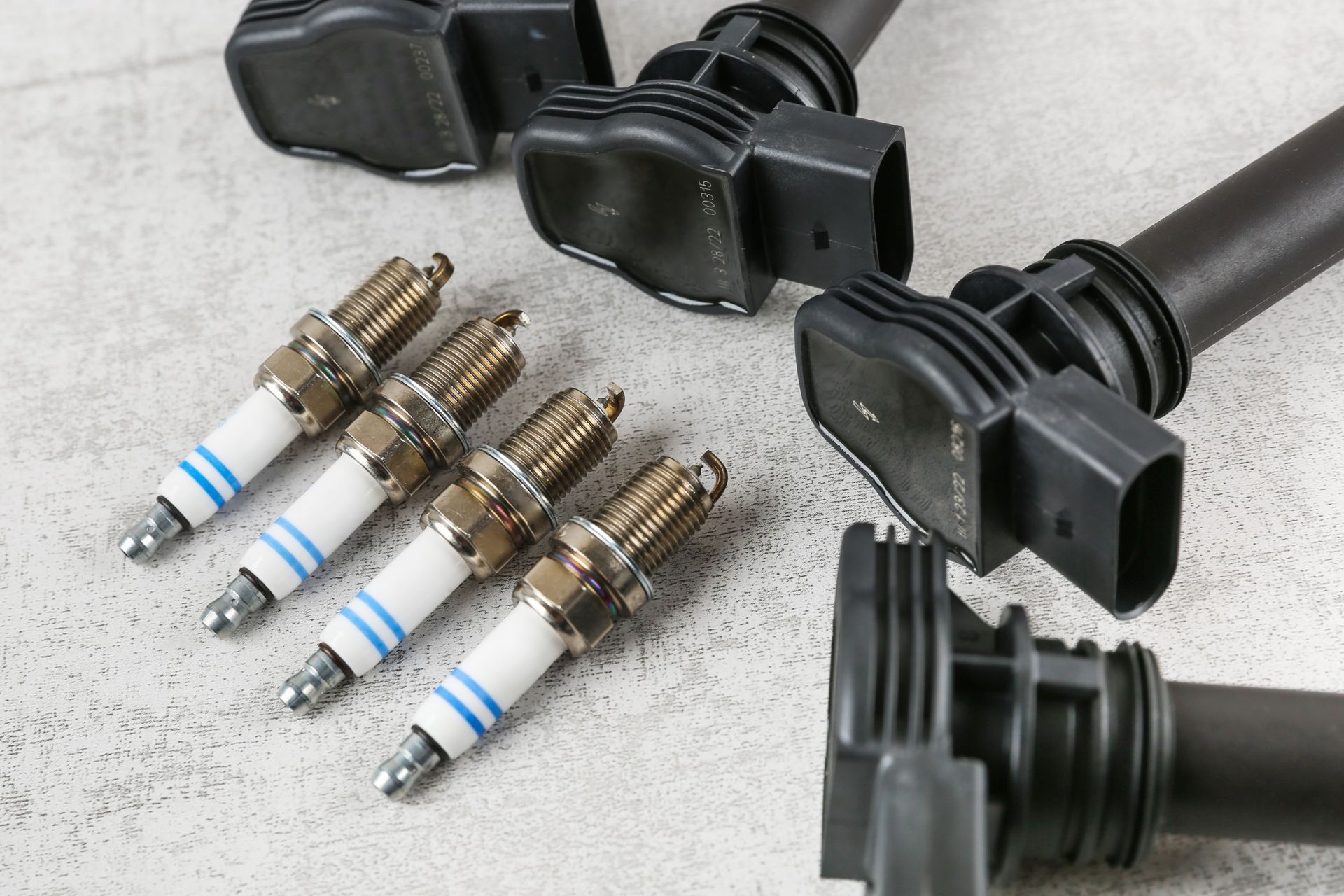
Different vehicles need different services at different intervals. One model may call for spark plugs at a certain mileage while another can go much longer. Transmission fluid, coolant, brake fluid, filters, differential service, and timing components also vary by design.
At our shop, we work from the service requirements for the specific year, make, model, engine, and drivetrain. That keeps maintenance focused on what the vehicle actually needs rather than applying the same package to every car that reaches a certain mileage.
It Helps Reduce Preventable Breakdowns
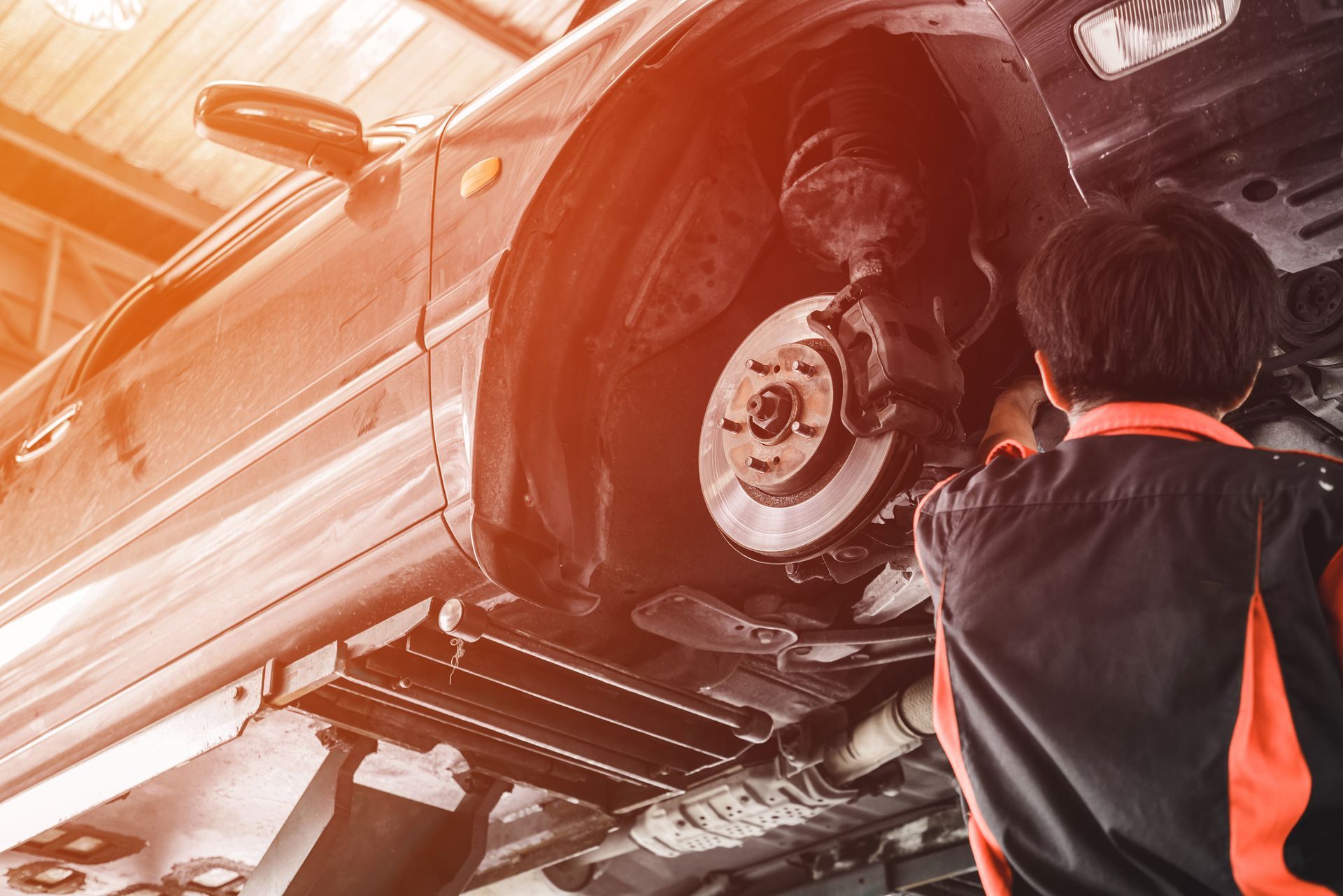
Maintenance cannot stop every part from failing, but it can catch many problems while they are still manageable. A weak belt, leaking hose, low fluid level, worn brake pad, or aging battery is much easier to deal with during a planned visit than after the vehicle leaves you stranded.
An inspection during scheduled service also gives us a chance to compare current wear with what we saw previously. If a seep becomes a leak or a tire wears faster than expected, that change tells us something useful before the problem becomes urgent.
Fluids Protect Expensive Components
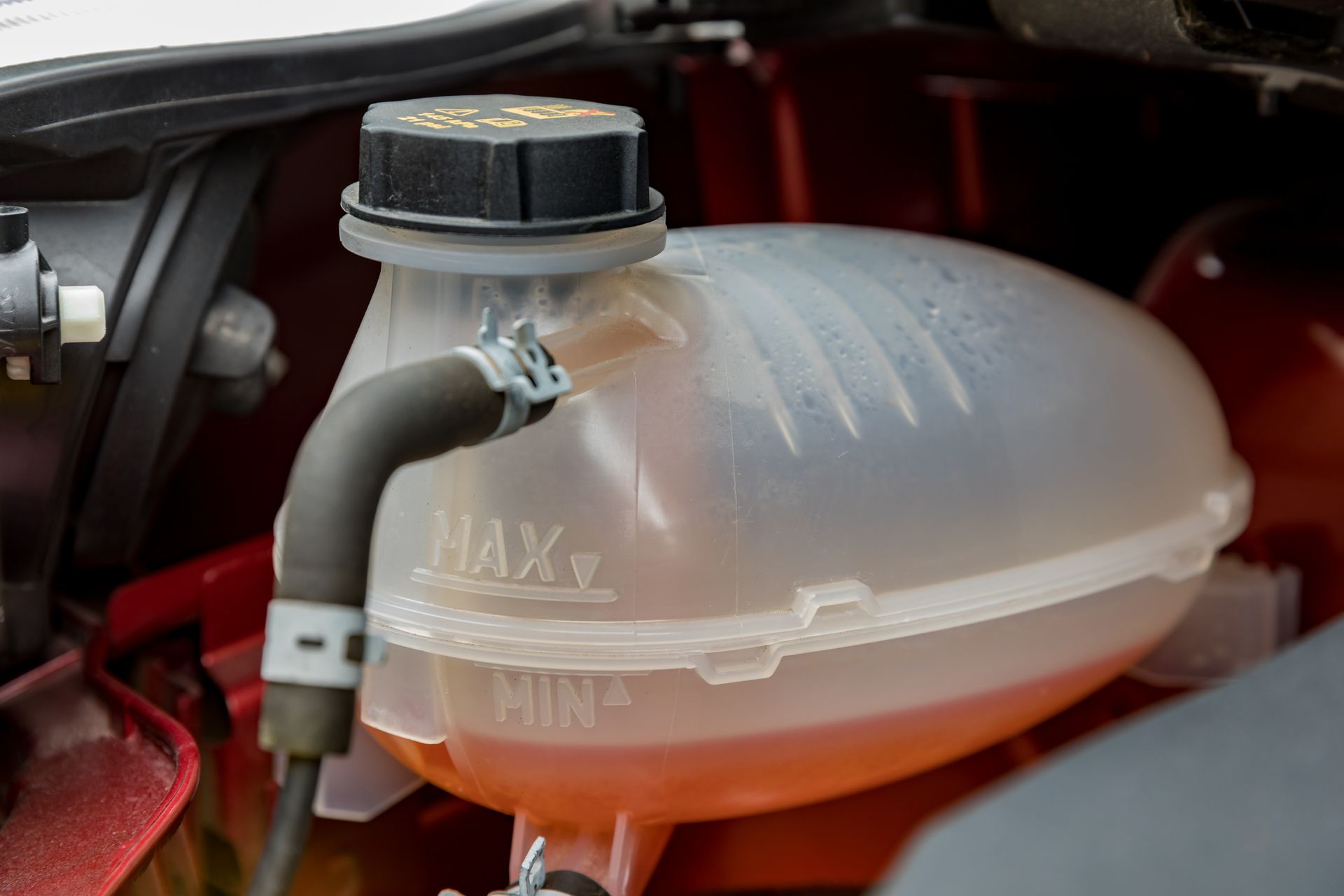
Engine oil gets most of the attention, but several other fluids have important jobs. Transmission fluid controls lubrication and hydraulic operation. Coolant carries heat away from the engine. Brake fluid transfers pedal pressure, and gear oil protects differentials and other driveline components.
Those fluids do not all age at the same rate, and they should not be changed on the same schedule. We check the manufacturer's requirements and the condition of the system before recommending service. Using the correct fluid specification is just as important as changing it at the right time.
Scheduled Service Can Help Parts Last Longer
A component doesn't have to break before maintenance helps it. Fresh fluids, clean filters, correct tire pressure, and proper lubrication reduce unnecessary strain on systems that are expected to last for years.
Take an engine air filter as an example. Replacing it when it is actually restricted helps the engine breathe properly. Cooling system service helps protect the radiator, water pump, heater core, and engine from corrosion and temperature problems. Regular maintenance is less about replacing everything early and more about keeping supporting systems from making expensive parts work harder than necessary.
It Gives Us a Better History of the Vehicle
When we see a vehicle consistently, we get to know what is normal for it. We can track tire wear, fluid seepage, battery condition, brake thickness, and other changes from one visit to the next.
That history makes future decisions easier. A brake pad that has barely changed over two services may not need immediate attention. A tire that suddenly starts wearing on one edge deserves a closer look. Instead of treating every visit like the first time we have seen the car, we can compare what is happening now with where it was before.
You Do Not Have to Wait for a Warning Light
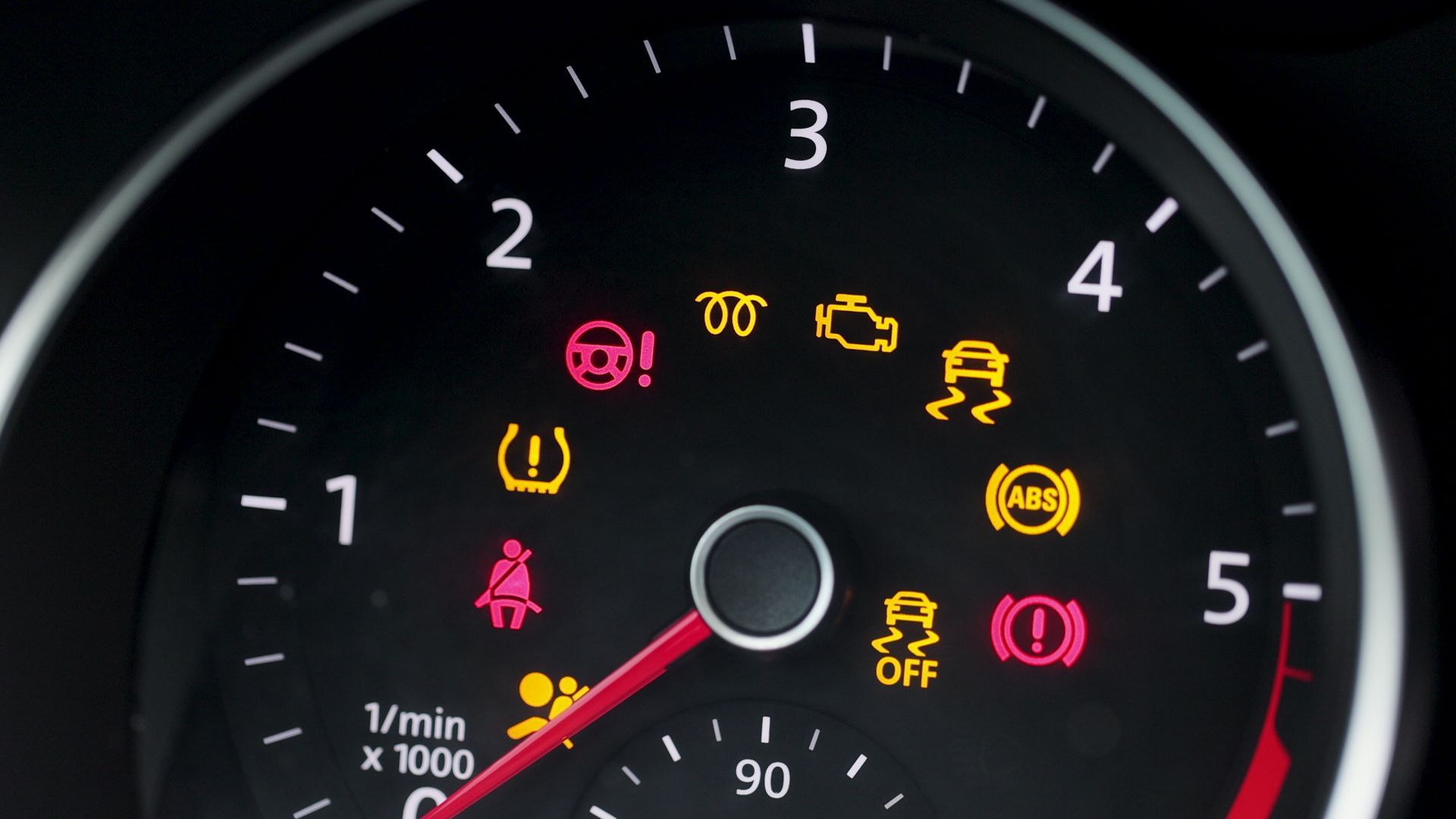
Many maintenance items do not trigger dashboard warnings when they are overdue. Spark plugs can wear gradually. Brake fluid can absorb moisture. Transmission fluid can age. Belts and hoses can deteriorate without setting a fault code.
That is why relying only on warning lights leaves gaps in vehicle care. The maintenance schedule fills those gaps by giving us a timeline for checking items that the onboard computer may never mention.
Scheduled maintenance also works better when it reflects how the car is actually used. Short trips, frequent idling, towing, dusty roads, and extreme temperatures can place more stress on certain systems. We take those conditions into account rather than treating mileage as the only factor.
Keeping Up With Service Can Make Ownership Easier
A well-maintained car is easier to plan around because fewer repairs come as complete surprises. You have a clearer idea of what has already been serviced, what is approaching its interval, and which wear items can wait.
Service records can also be useful if you sell the vehicle later. They show that maintenance was handled consistently, not only when something failed. For owners planning to keep a vehicle well beyond the warranty period, that record becomes especially valuable.
Get Factory-Scheduled Maintenance In Reno, NV, With Greg's Garage
If your vehicle is approaching a factory service interval or you are not sure which maintenance items are due, Greg's Garage in Reno, NV, can review the schedule and check what the car actually needs.