You connect the jumper cables, turn the key, and the car still won't start. Before trying again, listen. A slow crank, a single click, or normal-speed cranking without firing point to different issues.
More attempts aren't always more help. The first job is making sure the jump is permitted and safely connected. After that, what the engine does tells us where to look next.
Check Whether the Battery Is Safe to Jump
Don't connect to a frozen, swollen, cracked, leaking, or damaged battery. Stop if there is smoke, fuel leakage, or fire concerns, and arrange help. A heavily discharged battery in cold conditions needs particular care. Read the manuals for the disabled and donor vehicles. Confirm voltage, approved jump points, and whether the donor is permitted. Hybrids and EVs have low-voltage instructions of their own; ordinary jumper cables never connect to the high-voltage battery. An exposed roadside location is another reason to request assistance instead of attempting the job.
Set Up the Jump Before Turning the Key
Use intact, insulated leads rated for the starting demand or an approved pack. Keep the vehicles from touching, secure parking brakes and transmissions as directed, and switch off ignitions and unnecessary loads. Wear eye protection, remove loose jewelry, and route leads away from belts and fans.
For conventional 12-volt negative-ground vehicles whose manuals allow the common method, identify the marked positive points and the disabled car's designated ground. The plus and minus markings decide the connection, not a guess based on how the battery is positioned.
Connect Jumper Cables Only as Specified
For the common approved arrangement:
- Connect red to the disabled vehicle's positive jump point.
- Connect the other red clamp to the donor positive point.
- Connect black to the donor negative or its designated negative point.
- Connect the final black clamp to the disabled vehicle's specified ground away from the battery.
Keep the final connection away from the discharged battery and fuel equipment, and keep clamps separated. Use the ground the manual identifies. If the manufacturer directs a different method, that procedure takes priority. Don't choose an arbitrary bracket or assume every negative battery post is an approved final connection.
Try Starting Within the Vehicle's Limits
Follow the manuals for donor operation, any waiting period, and short cranking attempts. A jump pack requires its own activation steps. Smoke, heavy lead heating, or severe arcing means stop and ask for help.
Once the car starts and the instructions permit removal, disconnect in the prescribed order. With the common sequence above, removal reverses it: disabled ground, donor negative, donor positive, disabled positive. Keep freed clamps apart and clear of metal and moving equipment.
If It Still Cranks Slowly
The boost sometimes isn't reaching the starter effectively. Poor clamp contact, undersized leads, an inadequate supply, a failing battery, or resistance in the vehicle's cables each changes the result. Don't keep holding the starter to overcome it.
We'd compare battery voltage under load with what reaches the starter, then measure voltage loss along the positive and ground paths. If power delivery is correct but the starter remains slow, the starter and engine's ability to turn need further checks. A new battery won't fix resistance in a damaged cable.
If You Hear One Click and Nothing Turns
A single click sometimes comes from starter engagement without normal motor operation. The click alone doesn't tell us whether the starter has adequate power or the engine can rotate.
We'd test the starting command and power delivery, then follow the results. A connection that looks clean can fail under load, while an internal starter fault requires a different repair. Leave the controls and terminals alone rather than bridging them to see whether the car moves.
If the Engine Turns Normally but Won't Fire
Now the starter is doing its turning job. On a gasoline engine, we'd review fuel delivery, ignition, control information, and mechanical timing or compression where indicated. A diesel follows its engine-specific starting checks.
Tell us about recent refueling, a stall on the previous drive, warning messages, or a key-recognition problem. Those details change the first tests. Repeatedly applying another boost to a normally cranking engine drains the supply while leaving its missing combustion requirement unresolved.
If It Starts but Dies Again
A charging fault, severely discharged battery, or engine-running problem sometimes leaves the car unable to continue. Watch the warning messages and stop safely if it stalls or runs abnormally.
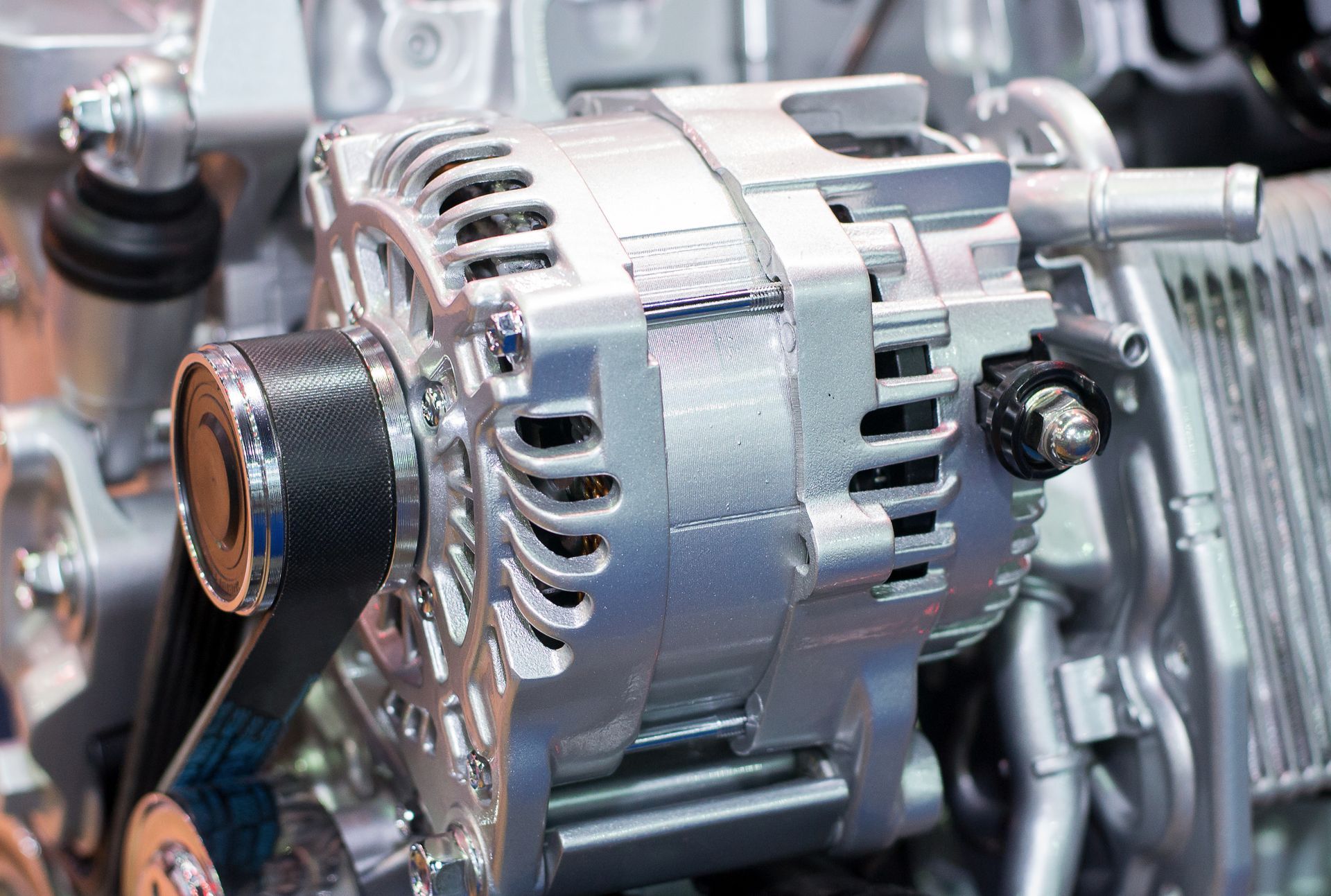
Don't test the alternator by pulling a battery cable off a running engine. We'd measure charging behavior and battery condition using the vehicle's procedure. A jump and a short drive aren't a full recharge or an explanation for why the battery went flat. Keep the sequence of events for the appointment.
Battery and No-Start Testing at Greg's Garage
Greg's Garage in Reno, NV, can check a car that still won't start after a jump. Describe whether it clicks, cranks slowly, or turns normally without firing, and tell us if the jump changed that sound.
Contact
Greg's Garage to arrange battery, starter, and engine checks for your no-start complaint.